Even amidst budget gaps, there is a way districts can pay for tutoring
Editor’s note: This was first published in SCHOOLED, Mike Petrilli’s Substack, which hosts weekly education-reform conversations around K–12’s biggest topics.


CHEERS: After initial community resistance to Houston’s state takeover, a recent survey indicates families increasingly believe the district is heading in the right direction. —Naaz Modan, K–12 Dive
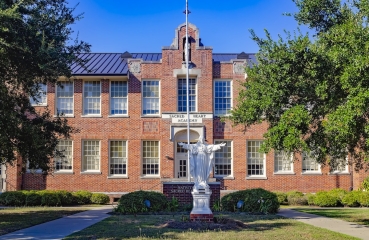
Today is one of the most hopeful times for Catholic education since the early 1960s, when tuitions started to rise and enrollments started their long decline. Today’s private-school choice programs solve that problem.
The grownups are fighting harder and louder than they have in years, both in words and deeds, about education, as well as everything else. Across the political spectrum, schools are treated not as civic institutions but as battlegrounds in a broader struggle over identity, power, and national belonging.
Across the country, student attendance post-pandemic remains a crisis. For the thousands of school principals who added “reduce chronic absenteeism” to their 2026 New Year’s resolutions, please know that you are not alone.
This week on The Education Gadfly Show, Mike Petrilli goes solo.
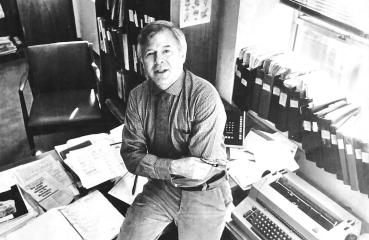
Stephen H. Hess, 1933–2026 I lost a great friend, and America lost one of its finest writer/historians, when Steve Hess passed away on Sunday morning at the age of 92.
Editor’s note: This was first published in SCHOOLED, Mike Petrilli’s Substack, which hosts weekly education-reform conversations around K–12’s biggest topics.


With more than 40 states having passed science-of-reading legislation, what comes next? What will make such laws succeed? Last month, we gathered a team of literacy and implementation experts to get their take. Here’s some of what we learned.
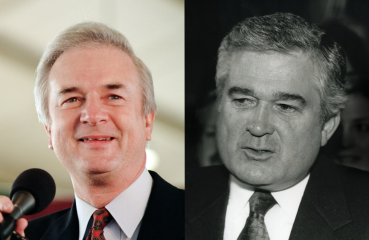
As 2025 drew to a close, the nation lost two leaders whose careers spanned very different worlds—but whose legacies converged around a shared conviction.
In the past few months, there has been much rending of cloths and gnashing of teeth over the decline in classroom book reading (see here, here,
Last month, pundits debated the validity of Mississippi’s remarkable gains in student achievement.
This week, we’re joined by Liz Cohen, vice president of policy at 50CAN, to discuss her book, The Fu
Economist Joel Mokyr, who won the Nobel Prize in 2025, asks why some societies generate sustained economic growth while others, with seemingly similar resources and institutions, do not. At a time of great uncertainty about our social and economic progress, his question feels urgent.
Editor’s note: This was first published on the author's Substack, Minding the Gap.
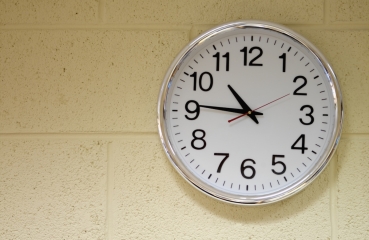
In New York City schools, the recent ban on smartphones has brought attention to some students' inability to read analog clocks. Meanwhile, the phrase “knowing what time it is” has circulated on the right as a kind of political shibboleth meant to distinguish self-described post-liberals from more traditional conservatives. Considered together, the figurative and literal “time” problems feed each other and signal a worrisome trend in America.
Speaking on The Education Exchange podcast recently, 50CAN president Derrell Bradford argued that
If you’re a policymaker, district leader, or reporter trying to follow education research, it can feel like drinking from multiple fire hoses at once. One week brings a bold new claim about dual enrollment. Next week, there’s a re-analysis of charter school impacts or a skeptical take on short-term workforce credentials.
The vast majority of teachers in K–12 public schools are female, including over 85 percent of those in the elementary grades.
Public schools in the United States have struggled to boost student achievement in math and reading following the Covid-19 pandemic.
This week, we’re marking a major milestone—Episode 1,000 of The Education Gadfly
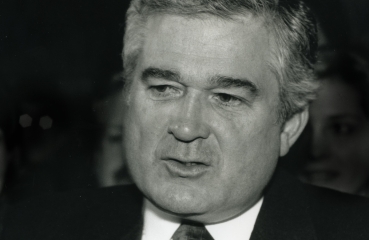
Another tall education-reform tree fell the other day when Lou Gerstner passed away. The super-chief of IBM and overall business savant also spearheaded a memorable era when corporate tycoons, governors, leading educators—and U.S. presidents—joined together to get stuff done in the K–12 realm.
Fordham's 2025 Annual Report looks back on a year of research, commentary, Ohio policy work, and charter school authorizing, with a focus on rebooting the American Dream for the next generation.