

Dearest Gentle Reader,
The scandal of the season is not a whispered romance, a poorly executed quadrille, or even a duel at dawn. A most alarming development has captured the attention of Queen Charlotte, her ladies-in-waiting, and of schoolmasters across the Republic. Artificial intelligence, we are told, has entered the classroom.
But what, one wonders, is a respectable school to do when students begin consulting mysterious entities named Claude, Gemini, and Grok? These digital oracles answer questions instantly, draft essays with suspicious eloquence, and solve algebra problems with the confidence of a well-connected duke. Headmistresses worry about cheating, policymakers fret about academic integrity, panels are convened, task forces are formed, and podcasts on the subject are promptly recorded.
The ton is, quite simply, in a state of agitation.
Yet, if I may, dear reader, the solution may be simpler than anyone suspects.
We must return to our Regency roots.
In the early nineteenth century, students wrote essays using quills. This alone resolved many difficulties. Composing five pages required several hours, two ink refills, and the emotional resilience to begin again after blotting the entire first paragraph. Under such conditions, cheating was not impossible, but it generally required either wealth or an unusually loyal valet.
The curriculum, too, was admirably straightforward. Young scholars studied literature, rhetoric, moral philosophy, and Latin. Reading instruction was efficient. Progeny sounded out words beside tutors by candlelight until they could read fluently—or until the candle burned out, whichever came first. They translated classical texts while seated in chilly rooms under the watchful gaze of tutors who had traveled several days by carriage to be there, which one must imagine discouraged both laziness and creative interpretations of Cicero.
In short, Regency education possessed what modern schooling increasingly lacks: clarity, simplicity, and slightly uncomfortable clothing.
So while today’s educators scramble to adapt to artificial intelligence, perhaps the wiser course is to look backward rather than forward. Dust off the quill. Reopen the Latin grammar. Heat the red wax seal.
The ton may yet survive the scandal of artificial intelligence. There’s always next season’s promenade. But whether it survives the policy panels, webinars, and podcasts about it remains to be seen.
Yours truly,
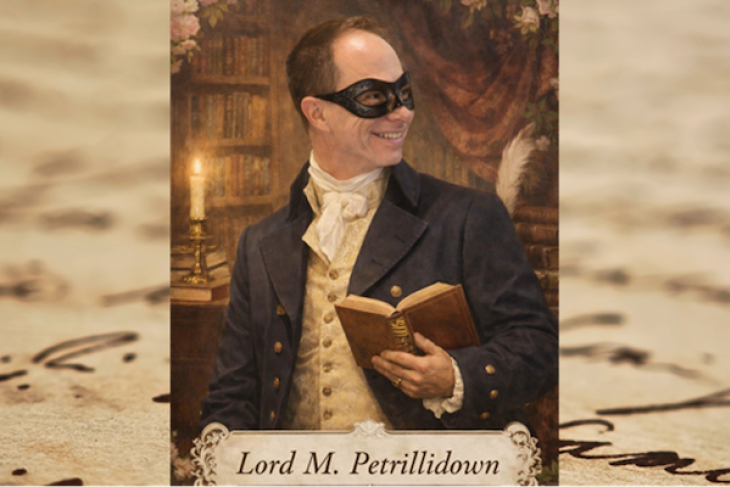
Lord M. Petrillidown
