Mobile Navigation

  • National
    • Policy
      • High Expectations
      • Quality Choices
      • Personalized Pathways
    • Research
    • Commentary
      • Gadfly Newsletter
      • Flypaper Blog
    • Events
    • Scholars Program
  • Ohio
    • Policy
      • Priorities
      • Media & Testimony
    • Research
    • Commentary
      • Ohio Education Gadfly Biweekly
      • Ohio Gadfly Daily
  • Charter Authorizing
    • Application
    • Sponsored Schools
    • Resources
  • About
    • Mission
    • Board
    • Staff
    • Career
Home
Home
Advancing Educational Excellence

Main Navigation

  • National
  • Ohio
  • Charter Authorizing
  • About

National Menu

  • Topics
    • Accountability & Testing
    • Advanced Education
    • Career & Technical Education
    • Charter Schools
    • Curriculum & Instruction
    • ESSA
    • Evidence-Based Learning
    • Facilities
    • Governance
    • Personalized Learning
    • Private School Choice
    • School Finance
    • Standards
    • Teachers & School Leaders
    • Think Again
  • Research
  • Commentary
    • Gadfly Newsletter
    • Flypaper Blog
    • Gadfly Podcast
  • Events
  • Scholars Program

The Education Gadfly Weekly

Sign Up to Receive Fordham Updates

We'll send you quality research, commentary, analysis, and news on the education issues you care about.
Thank you for signing up!
Please check your email to confirm the subscription.

The Education Gadfly Weekly: Exit interview: NCTQ’s Kate Walsh

Volume 22, Number 21
5.26.2022
5.26.2022

The Education Gadfly Weekly: Exit interview: NCTQ’s Kate Walsh

Volume 22, Number 21
view
High Expectations

Exit interview: NCTQ’s Kate Walsh

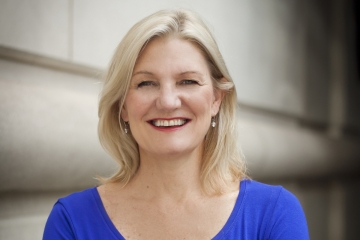
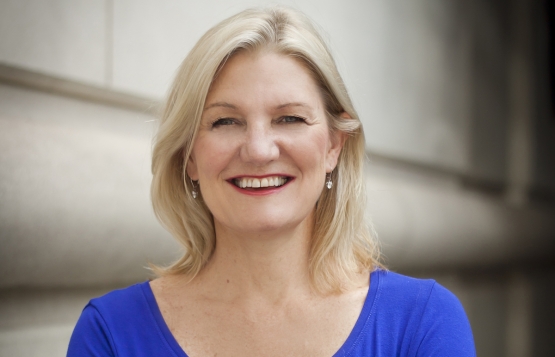
Few people in education reform have had greater impact than Kate Walsh, who recently handed over the reins of the National Council on Teacher Quality, which she led for twenty years. No one has done more to make raising the level of teacher preparation a focus of reform efforts. Here, Robert Pondiscio talks to her about her past, the present, and her views on what’s to come.

Robert Pondiscio 5.26.2022
NationalFlypaper

Exit interview: NCTQ’s Kate Walsh

Robert Pondiscio
5.26.2022
Flypaper

The excellence gap opens early

Michael J. Petrilli
5.26.2022
Flypaper

Can states clean up their teacher pension messes?

Aaron Churchill
5.26.2022
Flypaper

Getting to work: The effect of school-year employment on student outcomes

Amber M. Northern, Ph.D.
5.26.2022
Flypaper

Will every high schooler soon have a 4.0?

Adam Tyner, Ph.D.
5.26.2022
Flypaper

Education Gadfly Show #821: Sec. Aimee Rogstad Guidera on the state of education in Virginia

5.24.2022
Resource

Cheers and Jeers: May 26, 2022

The Education Gadfly
5.26.2022
Flypaper

What we're reading this week: May 26, 2022

The Education Gadfly
5.26.2022
Flypaper
view

The excellence gap opens early

Michael J. Petrilli 5.26.2022
Flypaper
view

Can states clean up their teacher pension messes?

Aaron Churchill 5.26.2022
Flypaper
view

Getting to work: The effect of school-year employment on student outcomes

Amber M. Northern, Ph.D. 5.26.2022
Flypaper
view

Will every high schooler soon have a 4.0?

Adam Tyner, Ph.D. 5.26.2022
Flypaper
view

Education Gadfly Show #821: Sec. Aimee Rogstad Guidera on the state of education in Virginia

Michael J. Petrilli, Amber M. Northern, Ph.D., Aimee Rogstad Guidera 5.24.2022
Resource
view

Cheers and Jeers: May 26, 2022

The Education Gadfly 5.26.2022
Flypaper
view

What we're reading this week: May 26, 2022

The Education Gadfly 5.26.2022
Flypaper
view

Exit interview: NCTQ’s Kate Walsh

Robert Pondiscio
5.26.2022
Flypaper

Few people in education advocacy have had a greater impact than Kate Walsh. In her twenty-year career leading the National Council on Teacher Quality, no one has done more to make raising the level of teacher preparation a focus of reform efforts. The organization’s closely watched Teacher Prep Reviews earned her high-profile enemies among complacent ed school faculty and their apologists, but have driven demonstrable changes and improvements in how aspiring teachers are prepared for the classroom. Under her leadership, NCTQ became a go-to source of data on state laws and regulations that impact the teaching profession; pulled together databases of teacher contracts, school board policies, and salary schedules; and otherwise made a habit, as Walsh recently observed of “wrestling long-shielded data away from generally unwilling public institutions.”

Anyone who knows her also appreciates Walsh’s no-nonsense communication style and inability to be anything less than candid. Those qualities are on full display in this exchange—the first in what is intended to be an ongoing and occasional series of “exit interviews” with prominent educators, advocates, and policymakers who are leaving high profile positions, and are thus able to be particularly forthright about their work and the challenges faced by those who will take it up in their absence.

Why are you leaving?

I’m leaving mostly for personal reasons. My husband’s retired and we both want to travel before someone has to dab the spittle from our chins. But I also have to admit that I prefer to leave on a high note. As you age, you begin to encounter a certain amount of irrelevance in how other people in the work world respond to you. And if you’re at all sensitive to how you’re being received, you come to realize that you’re no longer speaking the same language as the rest of the people in the room. There is just something to aging where there is a subtle signal that says you’re not quite as relevant as you once were.

I sometimes think there should be term limits for people in this work. After a certain number of years, it’s time for either a fresh set of eyes or different approaches to the problems that we set out to solve.

Well, if you want me to be totally inflammatory about this, I think it’s more of a problem with men not knowing when to go than is the case for women! Men are much more likely to try to stay professionally active and on the scene. So I wanted to leave when I was still a credible voice and not yesterday’s news.

I’m already self-conscious about that. If you spend enough time in this work, you almost bore yourself saying the same things over and over again.

As we age, we certainly acquire an incredible amount of wisdom which is immensely valuable. The experience I have at my age allows me to intuit pretty quickly how to handle certain situations. It’s made my job very manageable the past few years, maybe even too easy at times, because I don’t have a whole lot of question marks in my mind about what I should do about some things, certainly more so than was the case with my forty-year-old self.

However, I will say that the racial politics of the last few years have tested me. The appropriate attention to DEI issues in the education arena has unfortunately come at the expense of other really important issues that continue to be no less relevant, but our sector seems incapable of accommodating more than one issue at a time. Frankly, I’m not all that comfortable with some of the rhetoric, mostly because it only seems to demand of us a lot of endless conversation that is rarely productive. I’m basically a doer, and have never been able to sit through any meeting without fidgeting, but I profess that some of the DEI conversations have been nothing short of frustrating. Conversely, my largely younger staff found my unwillingness to indulge them on this front equally frustrating! Instead of coming off as compassionate, I could come off as dismissive or indifferent, but it was never because I didn’t care about structural racism—I’ve fought my whole professional life against it. No, I bristled at the public gamesmanship, where we’re judged by our facility with certain words or phrases rather than our actions or accomplishments. In meetings, it felt like someone was keeping score and me being of a certain age made me suspect. One thing was clear, that everyone is living in fear of being called out. That’s not healthy, and I suspect it will ultimately backfire.

It feels like we talk now more about who the teacher is than what the teacher does when it comes to teacher quality.

The focus on how a teacher identifies, racially, ethnically, sexually, without any recognition that they need to know something to be an effective teacher has been really demoralizing for me. I have had to be extremely careful about sounding off on it too much because my voice is not the best voice to make this observation. The research is clear. Black kids benefit a lot from having Black teachers, but there is no research suggesting that Black teachers don’t also have to know something about their subject matter. We need people of color who are willing to publicly acknowledge this truth, that focusing solely on the identity of a teacher is a very narrow, even skewed, way to decide who’s qualified to teach. What I have say at this point is too easy to dismiss.

Let’s talk wins and losses. As you glance backwards over twenty years running NCTQ what are you proudest of? What’s left undone?

Our impact in teacher preparation is hands down our biggest win. I am confident that twenty, thirty years from now it will be the legacy of NCTQ—not to mention the smartest investment made a relatively small group of funders who believed in what we’re doing. We proved that it was possible to get teacher preparation programs to change what they teach—something almost no one believed was possible. We now have three concrete pieces of evidence that programs make changes as a result of being rated with measurable progress in the quality of preparation in teaching kids how to read, managing student behavior, and ensuring elementary teachers know enough math to teach it. That’s an amazing story and the one I’m most proud of.

In terms of losses, certainly the biggest loss is how close we came to seeing states and districts adopt better teacher evaluation only to have those wins squandered. We made the mistake of pushing radical changes in teacher evaluation at the same time that the country was contemplating what appeared to be a new curriculum (though it wasn’t that at all), the Common Core State Standards. The two sunk under their own weight. But I know that things come around in cycles and that at some point we’ll get another shot at it. Who knows when that will be, but it will happen because it’s right for teachers and kids.

Let me add one more thing. I’m not sure I would classify this as a win or a loss, but I do look back on the last couple of decades and think that we as a nation wasted a unique opportunity to improve kids’ outcomes in reading and mathematics. When I think back on the millions, perhaps billions of dollars that were invested in K–12 education reform, I wish we had been louder advocates for investing in the fundamental need for kids to know how to read and become mathematically literate. We all allowed ourselves to get so distracted by other issues—like teacher evaluation! If we had only concentrated on ensuring that teachers were well prepared to teach reading and math and that schools only used high quality curricula—which is thankfully happening on the reading front at long last—we would be seeing a different educational landscape right now. Nothing matters more than reading and math. Show me a kid who can read and that’s a kid who will be happy and thriving in school and no doubt life. It’s that simple.

Your twenty years running NCTQ overlaps with the rise perhaps the fall of the ed reform movement. Any lessons learned? What are the takeaways?

I tend to be more personally introspective, marching to my own drummer, rather than thinking about where the ed reform movement went wrong, but in my opinion the movement largely died after 2015. At the time, I was shocked at the speed at which people who had identified with the education reform movement jumped ship, and it’s fair to include some of the foundations here. It was just astounding how quickly many walked away, leery of the controversy of the previous decade—as if it was ever going to be possible to get this work done and avoid controversy. Whereas I once would go to a PIE Network meeting (convening for state and national education advocacy groups) and everyone would be chasing the same goals, that’s no longer the case. The agendas are much more diffuse.

There’s a lot less talk about learning, that’s for certain. Our attention has also shifted from kids to adults. If we do focus on kids, it tends to be about their emotional well-being. I find that ironic because we know the one thing that really sparks joy in children is learning and the sense of accomplishment that they receive. I always credit [Education Trust founder] Kati Haycock with her relentless drumbeat that really got us focusing on what matters. Her response to everything was, “Is that what’s good for kids? What about the kids?” Kati inspired that moral outrage about the impact of adult decisions on kids. And that’s largely gone or, if not gone, misdirected.

I’ve said for years that no field has a poorer grasp of its own history than education. So it’s not entirely surprising to me that people forget, or that you have to fight the same fights over and over again.

I don’t know that I agree entirely. I look back on what motivated me when I got into education reform in late the early 1990s; I did a lot of work in Baltimore city schools. I think public education has made progress that hasn’t been entirely erased. I’m not going to paint an overly rosy picture here, but I think the attention to data and research has really been a gift to the field. It’s filtered its way down to the district level, if not the school level. The industry of educating kids is full of smarter people than it once was. Teach For America may not have solved student achievement issues, but they have definitely infused the profession with a lot of smart and creative thinkers. There’s considerably more talent out there than there once was.

If the ed reform movement died five years ago, what’s sustained you since?

While I’ve always enjoyed spending time with other reformers, I’ve not really depended on the movement to set NCTQ’s strategic direction program or really even to spark my own passions. If I had gone along with everyone else, I’d be clamoring to get rid of licensing tests now. Nor would I have spent the last few decades making so much noise about reading instruction. Until recently, NCTQ has been the only organization in the country really banging the drum on reading. Thank goodness that is now changing. States and districts are more serious about the science of reading than they’ve ever been. However, I will also note that many people who call themselves education reformers, competing with themselves for how many times they can say “equity” in a conversation, have been strangely silent on this issue, ironic in that it is the greatest civil rights issue of our times.

The “science of reading?” I don’t love the phrase, but it sticks so I use it.

You know that was my invention you’re insulting.

I’m not insulting it because it’s gained traction! Nothing else has.

It’s kind of silly story, but when we were writing about reading twenty years ago, everyone was referring to good reading instruction as “SBBR,” which stood for Scientifically-Based Reading Research—hardly a good way to engage the general public! <laughs> I just said, “We’re just going to have to call this by something else and came up with the “science of reading.” It stuck—for good or for bad.

What’s next for Kate Walsh?

I think I’d like to stay involved in the reading battles. While there are many dedicated researchers in that fight, there aren’t enough people with policy expertise in the mix. One thing I know I won’t do is write a book that no one reads. I did threaten for years to write a half snarky, half grateful book about philanthropy—I do have some stories!!—but I basically concluded that we should be mostly grateful for the incredible network of philanthropy in this country. No other country has such a thing, so I just needed to shut my mouth. Maybe that’s as good a way as any to close this conversation.

view

The excellence gap opens early

Michael J. Petrilli
5.26.2022
Flypaper

Last week, I provided sobering evidence of the “excellence gap” among twelfth grade students—the sharp divides along lines of race and class in achievement at the highest levels.

Now I want to make the case that early elementary school is the optimal time to attack that gap—and that high school, middle school, and even upper elementary school are mostly too late.

That’s because the under-representation of Black, Hispanic, and poor students at high levels of academic performance doesn’t suddenly appear in high school. Rather, it is apparent on the National Assessment of Educational Progress (NAEP) all the way back to fourth grade.

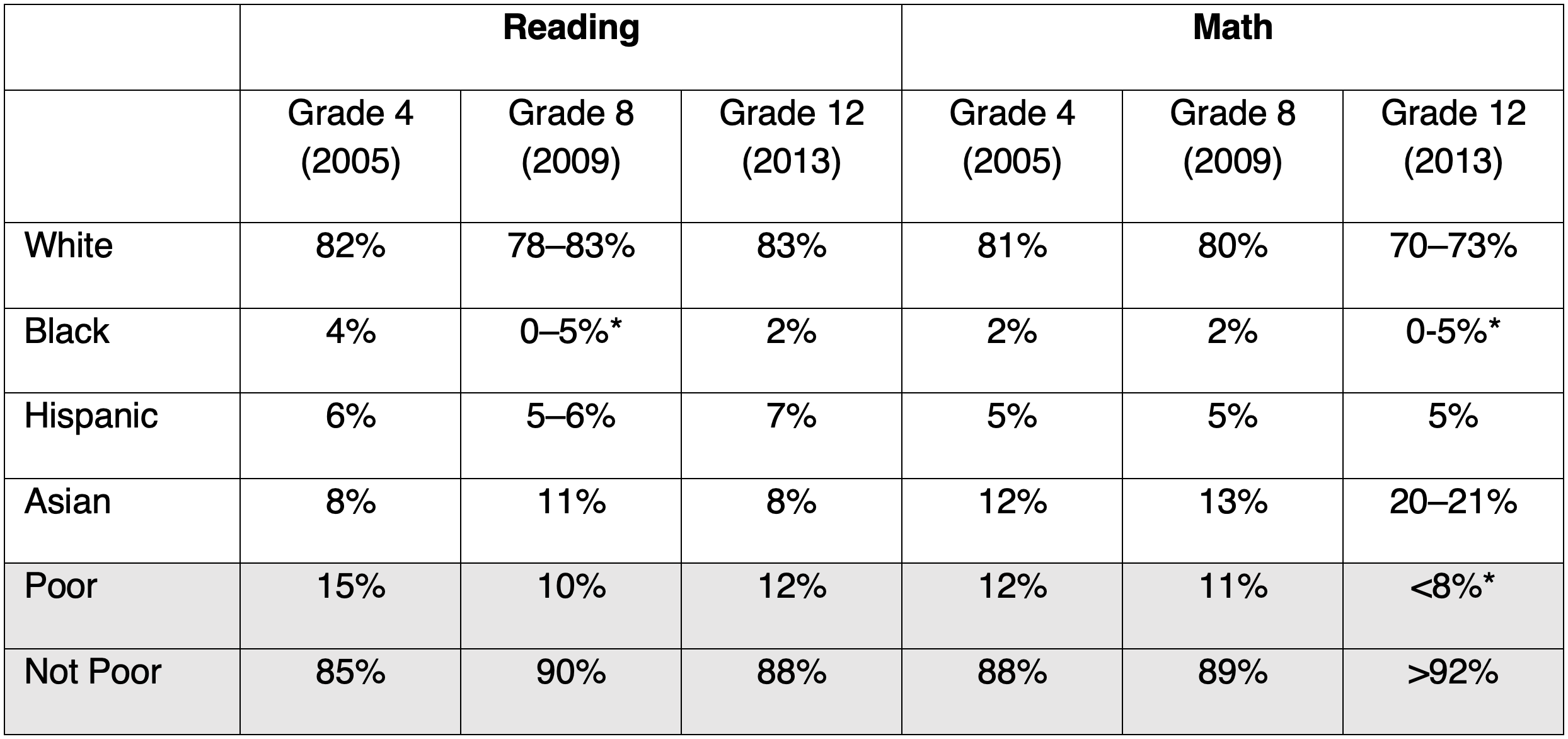
Here’s what that looks like when using achievement at the Advanced level on NAEP as the metric.

Table 1: Composition of students scoring “Advanced,” high school class of 2013

1

* Fewer than 1 percent of students scored at Advanced.

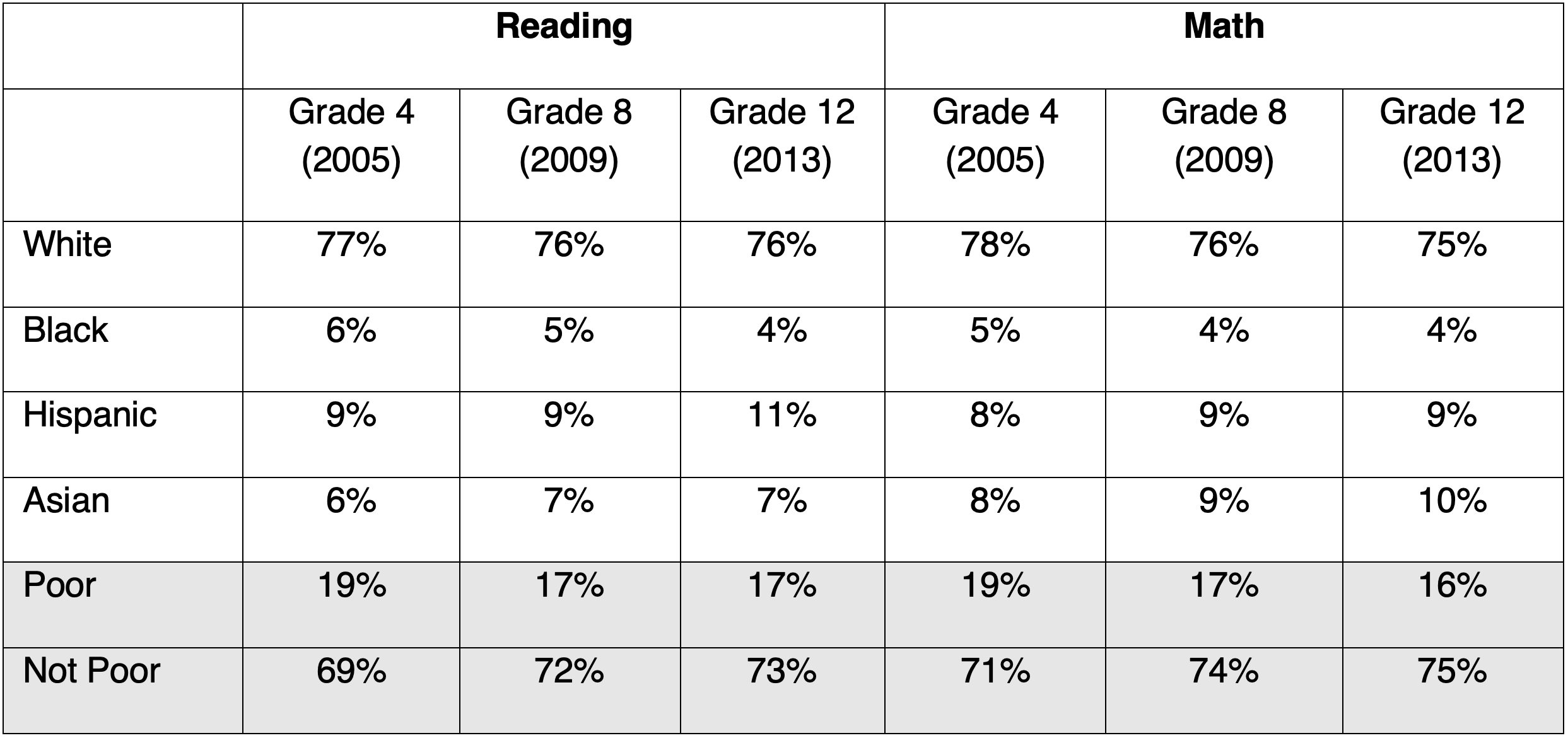
And here’s what that looks like when using achievement at the top quartile in performance as the metric.

Table 2: Composition of students scoring in top quartile, high school class of 2013

2

The story is the same: remarkable consistency across the grade bands, with modest declines for Black and poor students over time, especially in reading, and a surge in high school in the proportion of Asian students achieving at the highest levels in math.

As with the twelfth grade data I reported last week, the numbers for the fourth and eighth grade are devastating for Black and Hispanic students. At both grade levels and in both reading and math, 5 percent or fewer of the students scoring Advanced were Black; 6 percent or fewer of the top-quartile students were Black. The numbers for Hispanic students were only slightly better. 

To me, this indicates that it’s mostly—mostly, not entirely—futile to blame the excellence gap on high schools or middle schools. To be sure, they could be doing more to close the gap—to help low-income, Hispanic, and Black students achieve at higher levels. Indeed, some fantastic schools, including several in the charter sector, do precisely that. And the modest declines for Black and low-income high-achievers between grades four and twelve is absolutely something that our middle and high schools could and should be addressing. (Those declines are also apparent on other assessments and in other studies.)

But it’s simply common sense that it’s more feasible to keep the excellence gap from widening in the first place than trying to fix it when students are older. Indeed, this is true for most challenges in K–12 education.

Roll back the tape to kindergarten

Let’s take it one step further, then, and look at “academic achievement” at the kindergarten level. That’s possible thanks to the Early Childhood Longitudinal Study (ECLS). This ambitious data collection program followed two waves of students, the first a group that started kindergarten in 1998 and graduated high school in 2011. That’s not the precise cohort of students we’ve been tracking so far—the one that graduated from high school in 2013, and was in college in 2015–16—but it’s close enough for our purposes.

The kids in the study took tests every year from grades K–5, and their parents and teachers filled out extensive surveys, as well. We know a lot about these students. In the fall 1998, officials gave the study participants an age-appropriate assessment—read aloud by a teacher—that tested basic school readiness skills in literacy and numeracy at kindergarten entry.

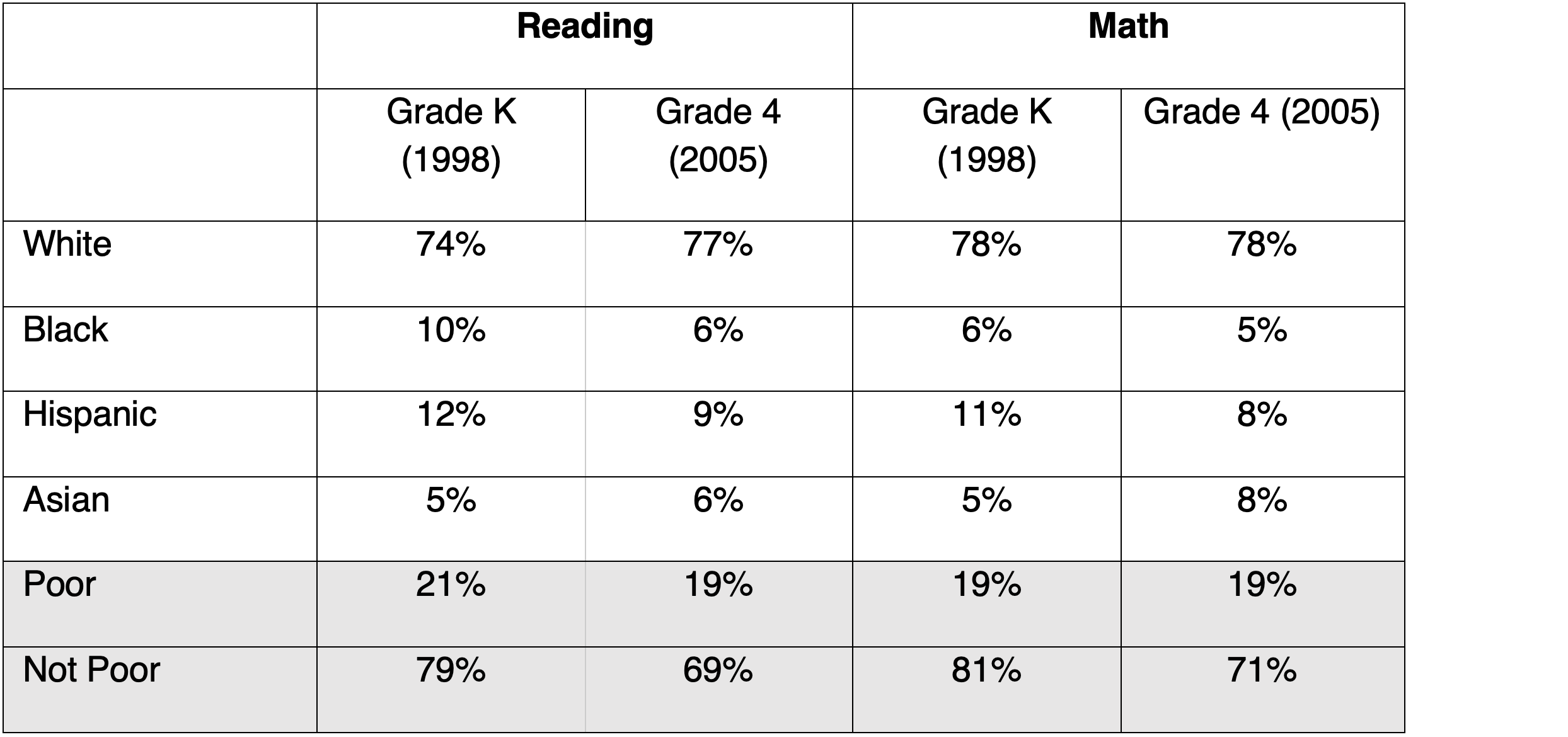
The ECLS project didn’t have an equivalent to an “Advanced” level of performance, but it did break down results by quartile. Let’s add that to the picture:

Table 3: Composition of the group of students who scored at the top quartile in reading, ECLS-K vs. fourth grade NAEP

3

Source: U.S. Department of Education. National Center for Education Statistics. America's Kindergartners, NCES 2000-070, by Kristin Denton, Elvira Germino-Hausken. Project Officer, Jerry West, Washington, DC: 2000. Note: For the Kindergarten data, poor is defined as having ever used the AFDC program.

What stands out here is the big decline in the proportion of advanced readers who were Black between kindergarten and the fourth grade—from 10 percent to 6 percent. (There was a similar, if not as pronounced, pattern for Hispanic students, going from 12 percent to 9 percent, and poor students from 21 to 19 percent.) Ten percent still isn’t great (Black students made up 15 percent of the ECLS sample), but it’s a whole lot better than the 4 percent that’s still in the top-quartile reading group by twelfth grade.

Paradoxically, the decline between the start of school and the fourth grade is a bit of good news. After all, if the kindergarten scores were just as devastating as the twelfth grade ones, we might conclude that there was little the K–12 system could do; that everything that mattered to high achievers happened (or not) between ages zero and five. And yes, those years matter a lot! But so do the early elementary years, or so these data imply. Something is happening in grades K–4 that is causing a significant portion of Black, Hispanic, and poor high achievers to “lose altitude.” If we can identify that something, we can fix it.

We already knew that early elementary is a critical time for students in general. Consider, for example, the longstanding evidence demonstrating that gains made by poor students in Head Start and other pre-k programs tend to fade out during those years. Or studies showing that Black, Hispanic, and poor students make less progress, on average, from K–3 than their peers. Now we see that they matter tremendously for high achieving Black, Hispanic, and poor students, as well.

In my next post I’ll explore what might be causing the drop-off in Black and poor high achievers between kindergarten and the fourth grade, and what might be done to reverse it.

view

Can states clean up their teacher pension messes?

Aaron Churchill
5.26.2022
Flypaper

Many state teacher pension systems are woefully underfunded, impose significant costs on teachers and schools, and shortchange those who decide to change professions or move to other states. Some retirees, seeing benefits pared back, are unhappy. Bellwether Education Partners, a national think-tank, recently gave a number of states’ traditional pension plans an F, citing how poorly they serve teachers and taxpayers.

What can policymakers do? One possibility is to slash benefits and extract even more from teachers and schools to pay down systems’ unfunded liabilities—the shortfall in its assets versus pension obligations. This approach would be wildly unpopular, would suck money out of classrooms and teacher pocketbooks, and wouldn’t solve the underlying problems with administering a teacher pension system. Another alternative is bailout—injecting billions into the pension fund to cover its debts. But this would raise the specter of moral hazard, i.e., reinforcing the same behaviors that shipwrecked systems in the first place. Of course, it would also require huge sums of money, funded by cuts to other government programs or higher taxes.

The quicker we forget those options, the better, along with reckless pension obligation bonds (covering debt by issuing more debt). Fortunately, there are more sensible solutions that would put states, which include Ohio, on stronger footing. Let’s take a look at three alternatives:

Option 1: Create plan options and make the default the defined contribution (DC) plan. A handful of states, including Ohio, offer new teachers a choice in retirement plans. In the Buckeye State, they can opt into one of three plans. Briefly, they are as follows:

  • Traditional pension, a.k.a., defined benefit (DB) plan, which offers teachers lifetime income, the amount of which is based on a formula that accounts for years of service and final average salary. The option works well for teachers who teach in one state for their entire career, but not those who separate before retirement age. Because pensions are “backloaded”—benefits accrue slowly for about two decades and then spike toward the end of the career—early leavers receive inadequate benefits.
  • 401(k)-style, defined contribution (DC) plan, in which teachers and their employer contribute to an individual savings account. These contributions, plus investment returns, determine the amount saved for retirement (as opposed to a formula). The DC option doesn’t offer guaranteed income for life, but it’s portable, meaning short- and medium-term teachers aren’t penalized for choosing to leave for teaching jobs in other states or to pursue other career opportunities.
  • Hybrid plan, which combines elements of the DB and DC plan. Teachers contribute to an individual retirement account and receive a modest pension.

The issue in Ohio is that, by default, newly hired teachers participate in the DB plan if they do not select a plan within their first year of work. Three in four don’t make an affirmative choice, and as a result, the vast majority end up in the DB. In a 2021 Fordham report, pensions expert Chad Aldeman made a strong case for changing Ohio’s default to the DC plan, something Florida did five years ago. His calculations show that the state’s DC plan provides today’s entering teachers more retirement wealth than the DB option.

If a state creates plan choices, it should set the default to the DC option, which is likely to provide the most benefits to the majority of entering teachers. This policy option would retain the DB and hybrid plans for entering teachers who prefer them.

Option 2: Close the DB plan to new teachers, and offer a cash balance (CB) plan. Ohio and nearly every other state do not currently offer this option, but they could require new teachers to enroll in a CB plan, as Kansas did in 2012. This structure has features of both DC and DB plans. Like a DC plan, contributions are deposited into individual accounts. But unlike a DC plan, where teachers make investment decisions, the state invests on their behalf and deposits interest each year into accounts, the rate of which can be tied to the “risk-free” return (e.g., 3 percent). The state can still invest in riskier assets, and in years of strong returns—for instance, 7 percent—it may choose to pay a higher interest rate or set aside gains to offset losses in a downturn. When teachers retire, the savings accumulated in their accounts are annuitized, and the system makes payments for the duration of their retirement.

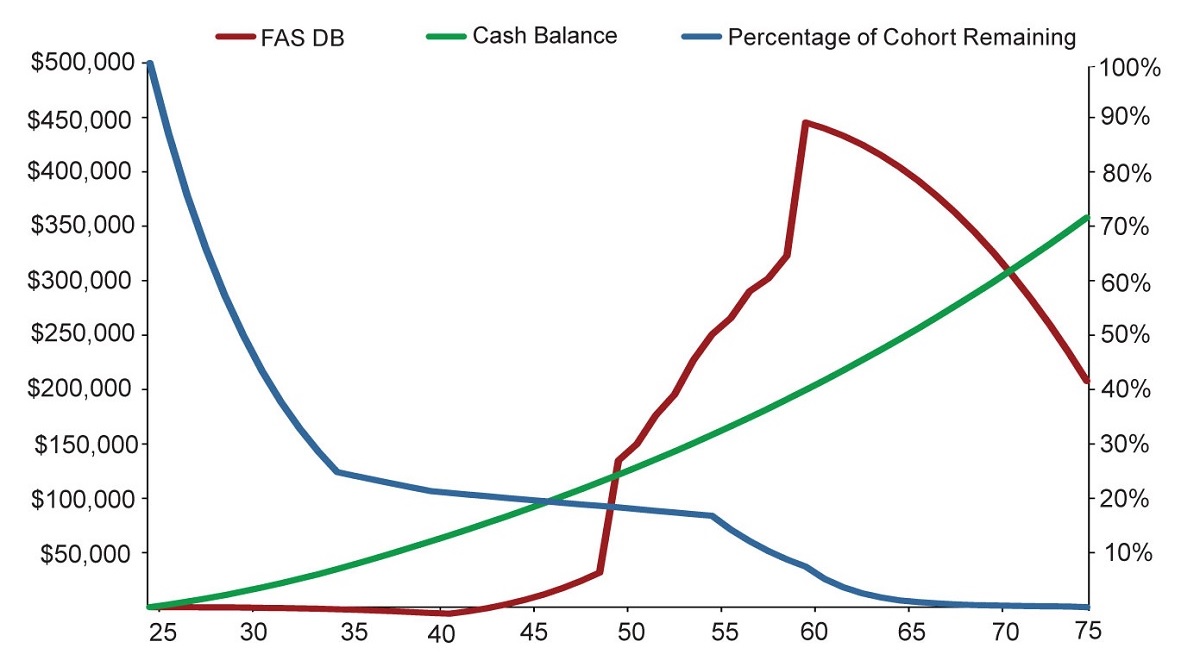
In contrast to a traditional pension, CB plans treat short- and medium-term teachers fairly. As Figure 1 below illustrates, CB plans “smooth” the accrual of retirement benefits over a teacher’s career instead of backloading them. Thus, teachers who separate early have more retirement wealth when they leave. In the bottom left portion of the chart, we see a “wedge” between the CB line in green and the DB line in red. This represents the gains under a CB plan in wealth for the roughly 80 percent of teachers who work for less than twenty-five years in this school system. Though a minority, entering teachers who work more than twenty-five years would receive less under a CB than DB plan. That occurs because a CB plan doesn’t “cross subsidize” older teachers at the expense of younger ones.

Figure 1. Employee-sponsored retirement wealth over time, Philadelphia, Pennsylvania

Pensions pt iii blog image national

Source: Josh McGee and Marcus Winters, “Modernizing Teacher Pensions,” National Affairs (2015).

Option 3: Close the DB plan to new teachers, and offer a DC plan. In an effort to attract a more mobile workforce and to reduce legacy costs, this is exactly what U.S. businesses have done over the past three decades. Today, approximately 80 percent of private-sector workers with retirement benefits are in a DC plan. State governments, perhaps because they don’t compete in the same way as private companies, have been slower to shift from pensions. Alaska is the only state to have closed its DB plan for teachers and now offers only a standalone DC option. A few other states, however, have transitioned to DC plans for other state workers.

Much like the CB plan above, benefits in the DC plan accrue evenly across a teacher’s career and are fully portable. Thus, teachers who separate early have considerably more retirement wealth than in the DB plan. However, unlike the CB plan, which guarantees a minimum interest rate each year, teachers directly control the investment decisions in a DC plan. Depending on those choices—which can be wisely vetted by plan administrators—they may generate larger or smaller returns than the interest rate in a CB plan. From the view of states, a DC plan is the most straightforward and predictable option. The state bears no investment risk and no complicated actuarial calculations are needed to project pension obligations. In fact, there are no unfunded liabilities at all in a DC plan.

The notable drawback to a DC plan is that retirees could outlive their savings. In states like Ohio where teachers do not participate in social security, policymakers should consider enrolling teachers in the program. Social security offers a baseline amount of income for life, protecting retirees who live well into their golden years. Of course, the catch is that benefits are paid for through payroll taxes levied against employers and employees (12.4 percent combined). States would need to adjust DC contribution rates to compensate for the new taxes. In terms of process, teachers would need to vote to participate in social security.

—

Traditional pensions fail to justly compensate a large portion of teachers for their work every year in the classroom. They’re often massively expensive and incredibly complicated. Over the past decade, retiree benefits have been in flux. The politics of pension reform won’t be easy, and there’d be much to sort out, especially if states close their DB plan (figuring out how to address unfunded liabilities). But all is not lost. Policymakers have options that can make retirement more fiscally sustainable and fairer to a next generation of teachers. It’ll take much hard work, but kicking the can down the road is a short-sighted option.

view

Getting to work: The effect of school-year employment on student outcomes

Amber M. Northern, Ph.D.
5.26.2022
Flypaper

Calls are rising for America’s aging high-school model to modernize, in part by accommodating work experience through hands-on internships or actual employment for students. Timely research from Denmark, recently published in the Economics of Education Review, gives us a glimpse into the potential pluses of such a change and identifies potential guardrails.

A quartet of researchers attempted to measure the effect of employment during high school on student achievement, cognitive skills, and risky behaviors. The legal working age in Denmark is thirteen, and an average of 17 percent of young Danes report working in a paid job at that age. By age sixteen, the average is 62 percent. Analysts look at the effects of being able to work on ninth graders, the last compulsory grade in Denmark. This approach is valuable since other research has typically focused on older high school students. Danish students aged fifteen to sixteen—that is, typical grade nine students—are allowed to work up to two hours on school days and a maximum of twelve hours per school week. The most common occupations are in sales, delivery and warehouse assistance, office work, kitchen assistance, cleaning, industry production work, and postal and library services.

To address the endogenous selection into employment, the analysts strove to ensure similar environmental backgrounds—such as family, school, child care, and neighborhood—by concentrating on twins. These pairs had to be the same gender but could be identical or fraternal. Those they studied were born between 1996 and 2002, lived in Denmark at age sixteen, had a job in grade nine, and completed the mandatory portion of grade nine’s final exam. Researchers also accounted for the skill level, behavioral outcomes, and work experience of students prior to grade nine. The final sample size included 2,236 individuals.

The study measures the returns to work experience accumulated during the first eight months of grade nine only (a notably short amount of experience), controlling for industry and gender. They omit the last three months of grade nine so they can measure outcomes—including GPA from grade nine exit exams, school absences, and dropout rates—during those last few months. One additional outcome, incidences of criminal charges, is measured in the subsequent year.

The key findings illustrate the mostly positive benefits of working in high school. Specifically, a one standard deviation increase (corresponding to three additional work hours) around the sample mean of work experience—again obtained during the brief eight-month observation period—increases the percentile rank on the grade nine exit exam score distribution by 2.3 percent, decreases the probability of being registered for a non-traffic-related crime in the following year by 0.9 percentage points, and increases the years of schooling completed by age twenty by one month. The researchers also find suggestive evidence that work experience reduces school absences and school dropouts in the last three months of the school year.

There is, however, a sweet spot in terms of working hours. For example, students with school-year employment during grade nine work four hours per week on average—but the most positive effects appear at the higher average of seven hours per week and the optimal number of work hours is roughly ten per week in order to see a boost in exam achievement. Working in excess of the legal limit of twelve hours during a school week appears to leave too little time for school work, resulting in negative impacts.

The bottom line appears to be that, with some care, productive work and effective schooling can coexist for many high schoolers. Perhaps this model can complement the career-technical pathway currently in vogue—the difference being learning about building solar panels for credit in a classroom versus actually building solar panels (on a part-time basis) for pay in a real workplace. The idea is also related to both summer employment—which holds promise—and potentially a “job study” program for our lowest performers in danger of dropping out. No matter how we situate these programs along a continuum, one thing is for sure: It will take a strong commitment to blur the lines between high school, college, and career to get it right.

SOURCE: Rune Vammen Lesner, Anna Piil Damm, Preben Bertelsen, and Mads Uffe Pedersen, “The Effect of School-Year Employment on Cognitive Skills, Risky Behavior, and Educational Achievement,” Economics of Education Review (March 2022).

view

Will every high schooler soon have a 4.0?

Adam Tyner, Ph.D.
5.26.2022
Flypaper

Scholars and testing companies have been following grade inflation for decades. The first ACT study on the topic dates to the mid-1990s, while researchers have used SAT data to study grade inflation since the 1970s. Last week saw the newest installment in this series, a report from the ACT called “Grade Inflation Continues to Grow in the Past Decade.”

Following the methods of most previous studies of grade inflation, the study uses ACT scores and self-reported high school grade point average (HSGPA) data from 2010 to 2021 to assess whether the relationship between grades and test scores is changing over time, including during the Covid-19 pandemic.

The study finds that grade inflation is occurring during this period, ticking up considerably after 2016 and then rising sharply during the pandemic. Since 2020, even students at the 25th percentile of ACT performance (i.e., students performing well below average) received better than a 3.0 grade point average, meaning their schools awarded them more A grades than C’s, D’s, and F’s combined. Meanwhile, ACT composite scores declined during the study period and fell markedly during the pandemic.

Grade inflation during this period was not the same for all groups, and this is one point on which this new study diverges from the findings of studies from a few years prior to the pandemic. The new ACT report finds greater grade inflation in schools serving less affluent student populations, whereas researchers from the College Board (which oversees the SAT) and a Fordham report by Seth Gershenson, both of which were released in 2018, found grading standards falling in schools with more affluent student populations. The federal High School Transcript Study that was released in March also found rising GPAs and more rigorous course-taking, even as scores on the gold standard national assessment declined.

(Interestingly, the last ACT study from 2013 also seems to be out of synch with the studies with which it shared overlapping years of data, i.e., the College Board, Fordham, and federal transcript studies, since the previous ACT study did not identify any grade inflation in the years 2004 to 2011, irrespective of school demographics.)

Three explanations for the ACT’s finding that grade inflation is concentrated in higher-poverty schools immediately come to mind. First, the 2021 (and 2013) ACT report both use statistical models that attempt to control for student and school demographics simultaneously, and this approach may lead to somewhat different findings. For example, the new ACT report finds grade inflation strongest for Black students when looking at students but then also for schools serving more White and Asian students. These findings are hard to reconcile, and the authors admit that their methods may lead their findings to diverge from other studies. Second, we know that students attending urban and higher poverty schools were more likely to spend more time in remote learning during the pandemic, and these schools may have relaxed grading standards even more than other schools. That might at least explain some of the differences in the most recent spikes in grade inflation. Third—and perhaps most worryingly—after a decade or so of grade inflation in more affluent schools, students in these schools may be reaching the ceiling of GPA. After all, these students had higher average grades before the bout of grade inflation documented by the SAT researchers and the 2018 Fordham report. And pre-pandemic headlines indicated that many students no longer had much room to improve their GPAs.

If the latter explanation is the correct one—if students in more affluent schools are nearing the GPA ceiling after decades of grade inflation—we can expect that GPA will no longer be as meaningful a signal of academic success, at least in more affluent schools, that it has been in the past.

SOURCE: Edgar I. Sanchez, Ph.D., and Raeal Moore, Ph.D., “Grade Inflation Continues to Grow in the Past Decade,” ACT, Inc (May 2022).

view

Education Gadfly Show #821: Sec. Aimee Rogstad Guidera on the state of education in Virginia

5.24.2022
Resource
 

On this week’s Education Gadfly Show podcast, Virginia Secretary of Education Aimee Rogstad Guidera discusses Governor Glenn Youngkin’s and her vision for education outlined in a state report titled Our Commitment to Virginians: High Expectations and Excellence for All Students. Then, on the Research Minute, Amber Northern reviews a study on efforts to improve the identification of gifted students in rural communities.

Recommended content:

  • The policy paper referenced: Our Commitment to Virginians: High Expectations and Excellence for All Students.
  • The study that Amber reviewed on the Research Minute: Carolyn M. Callahan et al., “Consequences of Implementing Curricular-Aligned Strategies for Identifying Rural Gifted Students,” Gifted Child Quarterly (2022).

Feedback welcome!

Have ideas or feedback on our podcast? Send them to our podcast producer Pedro Enamorado at [email protected].

view

Cheers and Jeers: May 26, 2022

The Education Gadfly
5.26.2022
Flypaper

Cheers

  • Virginia’s school system was declining even before Covid. Now is the chance for Governor Youngkin to appoint a board that’s willing to reverse the slide. —Washington Post
  • The best antiracist policy is teaching Black children to read. —Kay S. Hymowitz
  • “Tennessee school voucher law revived in state Supreme Court ruling.” —Chalkbeat Tennessee
  • IDEA McAllen College Prep serves one the nation’s most disadvantaged student populations. Yet its AP and IB pass rates are outstanding. —Jay Mathews

Jeers

  • As the state faces a literacy crisis, California’s superintendent refuses to commit to phonics-driven reading curricula. —The 74
  • This attack on NAEP achievement levels wrongly accuses the standards of being too high. —Diane Ravitch 
view

What we're reading this week: May 26, 2022

The Education Gadfly
5.26.2022
Flypaper
  • “Paul Vallas: [Chicago Public Schools] has failed the city’s youths, and violence has resulted. There is a way forward.” —Chicago Tribune
  • Dallas’s public school district has banned suspensions in favor of “reset centers” that provide academic and behavioral supports. —Dallas News
  • After years of criticism that her methods are ineffective, literacy guru Lucy Calkins made major revisions to better align her curriculum to the science of reading. —New York Times
  • “Educators need a plan ambitious enough to remedy enormous learning losses.” —Tom Kane in the Atlantic
  • Florida’s politicized review process for math textbooks creates concerns about future struggles over science and social studies textbooks. —Tampa Bay Times
  • New York City schools swapped its gifted test for teacher recommendations to improve diversity in identification. But there’s no evidence that it will work. —New York Times
Fordham Logo

© 2026 The Thomas B. Fordham Institute
Privacy Policy
Usage Agreement

National

P.O. Box 110
Burke, VA 22009

202.223.5452

[email protected]

Ohio

P.O. Box 82291
Columbus, OH 43202

614.223.1580

[email protected]

Sponsorship

130 West Second Street, Suite 410
Dayton, Ohio 45402

937.227.3368

[email protected]