Dear newly elected and returning state policymakers,
Congratulations on your victory.
When you walk into a building, you don’t worry that the floor will collapse or the walls will catch fire. We take that safety for granted.
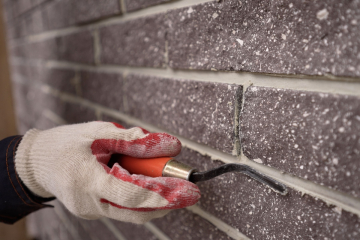
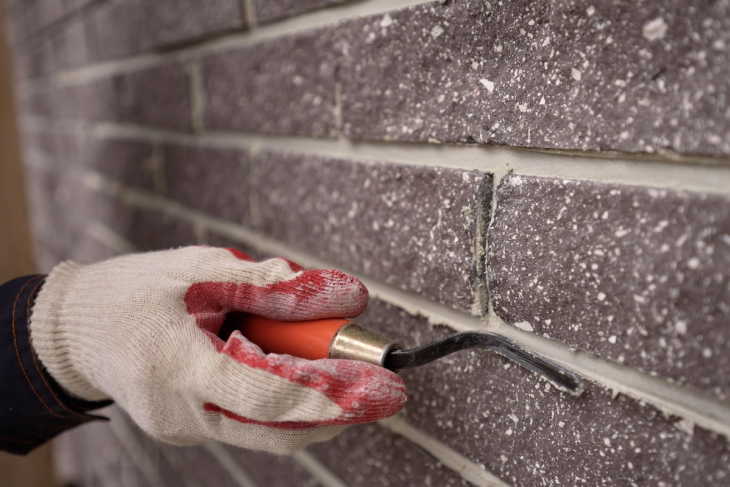
A century ago, we couldn’t. Cities burned and buildings fell. We didn’t fix it by asking landlords to keep a few extra buckets of water on hand. We rewrote building codes, required brick and steel over wood, and engineered fire escapes. We treated it as a design flaw, and we solved it.
Now imagine four in 10 buildings failing inspection. We would halt construction until that number hit zero. Yet that’s about where we are in reading: Roughly 40 percent of fourth graders score below the basic level on the National Assessment of Educational Progress (NAEP), widely considered the “gold standard.” In K–12 education, we’ve gotten comfortable celebrating small gains while most kids are far from where they need to be—and have the potential to reach.
You have a chance to change that. Education wasn’t the headline of this year’s campaign, but the connection is simple: A strong economy needs a strong workforce, and that starts in kindergarten classrooms.
Here are five priorities that deserve your attention.
Face the numbers
The kids are not OK, and far too many people seem fine with that.
In the most recent national assessments, fourth grade reading scores fell by five points compared to 2019, leaving roughly 40 percent of these young learners performing below the NAEP Basic level. Eighth grade scores followed a similar downward trajectory, showing no meaningful post-pandemic recovery on a national scale.
Some states are doing better than others catching students up, but most are still woefully behind. Meanwhile, graduates are showing up at college and work without the basic skills they need. States need to be actively working to close these gaps in meaningful ways, especially as emerging technology continues to change what the jobs of tomorrow look like.
Build what we know works
The good news is that we know how to improve outcomes, and the solutions aren’t partisan. Pass strong “science of reading” laws. Expand early literacy intervention. Implement foundational math strategies in the early grades.
Mississippi showed that what gets measured gets done. More than a decade ago, policymakers there passed a strong school accountability system and comprehensive literacy reforms that fundamentally improved student outcomes by training teachers in the science of reading, implementing early intervention screenings, and implementing a third grade promotion policy. These reforms collectively propelled the state’s fourth grade reading scores from 49th in the nation to historic highs.
Pair these approaches with a way to see how each student is doing. If children fall behind, they should get help right away, not years later. If children are racing ahead, they should move into more advanced coursework. And as students move through school, states should support what comes next—whether that’s a job, college, or the military.
Inspect honestly and often
You can’t fix what you don’t measure. Statewide assessments and clear school grades tell you where to send resources and which schools need help.
Accurate measurement helps close the “honesty gap.” Many states report that most students are proficient while national tests say otherwise, and parents end up thinking their child is on grade level when they aren’t.
Good data also lets you modernize the high school experience and beyond. Tracking postsecondary outcomes and student progress over time lets you update graduation requirements, develop stronger college and career pathways, and connect high school to in-demand careers.
Transparency takes some courage, because the numbers won’t always be flattering. But families and taxpayers deserve to see what’s working and what isn’t.
Give families options
No single learning environment works for every child, even within the same household.
Families need—and want—access to a variety of high-quality educational options beyond their assigned neighborhood school—including public charter schools, magnet programs, private schools, career and technical pathways, microschools, and specialized learning models.
Empowering parents with those types of meaningful choices ensures that education can be tailored to each child’s unique strengths, needs, and learning style. When states support diverse learning opportunities, they create a more responsive system that helps every student reach their full potential.
Stay with it
It might not feel like it in the moment, but passing a bill is the easy part. Once that law is in place, the pressure to water it down can begin. Real gains come from the implementation that follows: high-quality instructional materials, teacher training, program support, and ongoing funding matter. Without these sustained commitments, policy wins often stay on paper and never reach the classroom.
There will be hard conversations ahead. Enrollment is declining, budgets are tight, and many families need options beyond their assigned schools. Working through these challenges will take time and bipartisanship, and the states that stick with it will pull ahead of those that stall or adopt reforms they never carry out.
Bottom line: Every child can succeed
We should expect the same structural integrity from our schools that we expect from the buildings we walk into every day. You can make that happen, and the sooner you start, the sooner more kids benefit.
ExcelinEd is ready to help with model policies, research, expert feedback, and more. Congratulations again, and we look forward to working with you.
Sincerely,
Patricia Levesque
CEO, ExcelinEd
Editor’s note: This was first published by ExcelinEd.