Covid-19 and the miseries it caused families, children, and educators around the world over the last two years seems finally to be ebbing. But in Poland where I am writing this, the plague has been followed by a brutal and senseless war in neighboring Ukraine.
As everyone knows, Putin’s war has sent a flood of refugees—mostly women and children—to the West. The Economist reports that “at least a quarter of Ukraine’s 7.5 million children have left the country since the conflict started in February.” Poland has taken in the most refugees. The Minister of Education “has warned that Poland could eventually have to find room for 700,000 new pupils. That would mean expanding its school system by 14 percent.” All of this on the heels of a pandemic that killed an estimated 115,000 Poles.
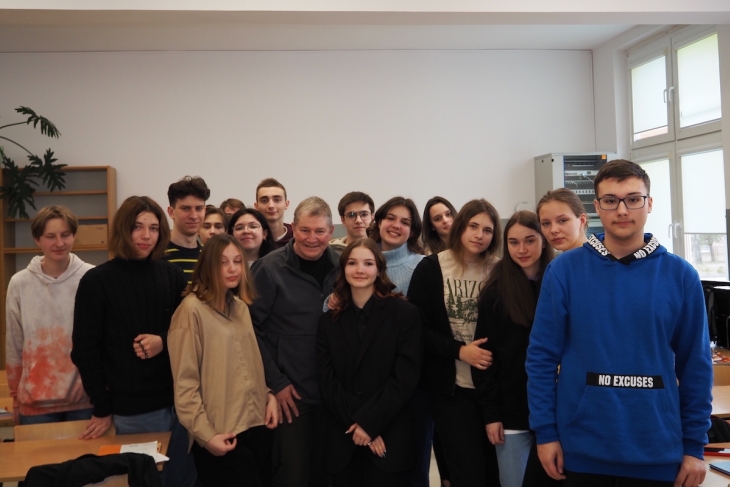
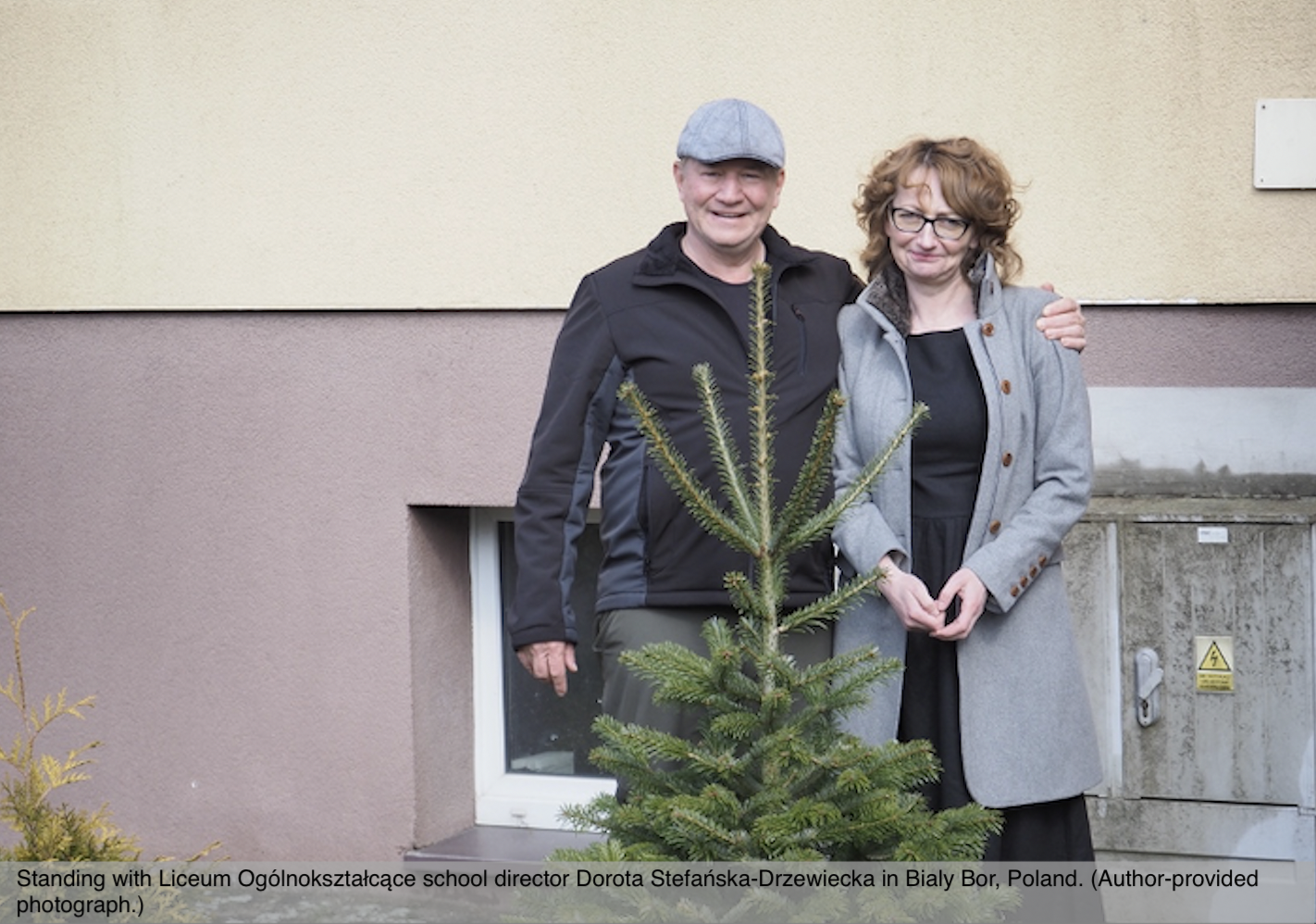
I have been visiting schools in Poland that are taking in Ukrainian students, most of whom do not speak Polish. One high school where I spent time, Liceum Ogólnokształcące, located in Bialy Bor in the country’s north, was established in 1990 for Ukrainian students whose parents wanted them educated in Poland. All of its students have been directly impacted by the war. A significant number of new pupils have come to the school in recent weeks as refugees, while others have had their brothers and fathers leave Poland to go fight in Ukraine. According to the school’s director—thirty-year veteran educator Dorota Stefańska-Drzewiecka—the school is doing the best that it can to serve its influx of students.
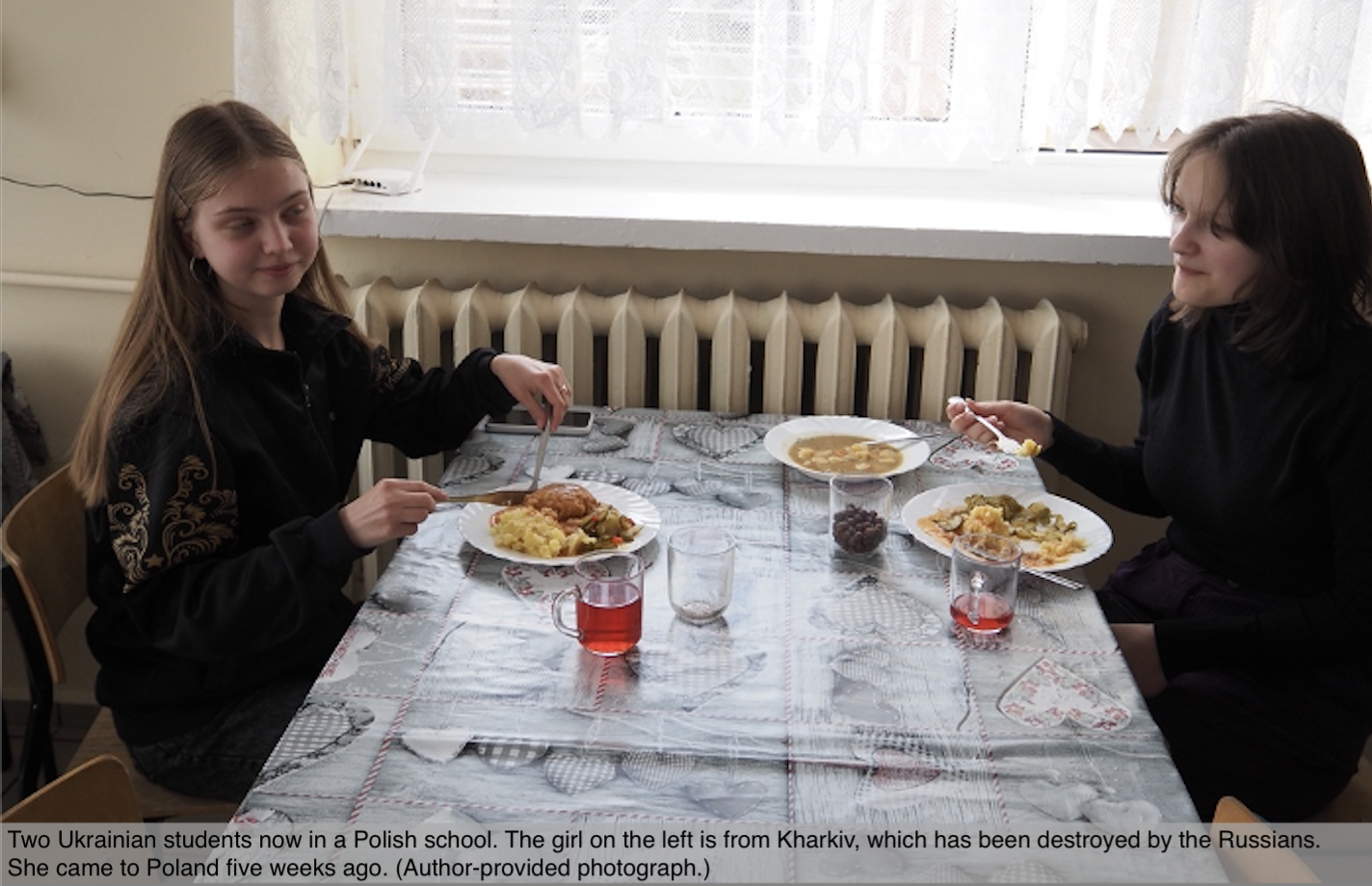
The high school now enrolls a third more students than it did two months ago. It is jam-packed. In its boarding unit, small bedrooms meant for two or three students are now sleeping five. Stefańska-Drzewiecka lauds her teachers and staff and their commitment to all students, and says that the local community has stepped up in many ways to help. (The local Ukrainian Orthodox church, for example, has taken in thirty mothers with young children.) But the government has promised money that has been slow in arriving. In fairness to the Polish government, however, the EU has promised the Poles support that has also been slow in materializing.
The toughest job for Stefańska-Drzewiecka and her teachers is when they have to take a student out of class and explain that one of their loved ones back home has been hurt or killed. The distance from home for the students makes all of this harder. Stefańska-Drzewiecka shared that, more than once, students and teachers alike have become paralyzed with grief. The school has access to trained psychologists to help with the emotional needs of their student, but as with everything else, there is more need than supply.
Of course, we hope that this needless and brutal war will end soon, but most of the people I have spoken with in Poland think that this is going to be a long struggle and that things are apt to get worse before they get better. As with Covid, this uncertainty makes planning nearly impossible for educators, families, and students. No one knows when they might get to go home or when, and if, they will ever see the people they love again.
One pandemic legacy that is making this a little bit easier is the greater comfort of older students in using online learning platforms. This has allowed those who don’t speak Polish to take language courses online to speed up their language acquisition. It will also allow Ukrainian students who were set to graduate from their homeland high school in 2022 to complete their course requirements and exams online with educators still working in Ukraine.
Understand, though, that these young men and women from Ukraine are earning their high school diplomas while having lived through a global pandemic and the most violent war in Europe since World War II.
Author's note: If you want to help Ukrainian students in Poland. Please go to https://pomagam.pl/en/innabajka. There is a serious shortage of educational materials for Ukrainian students, and your donation can help make a real difference.