
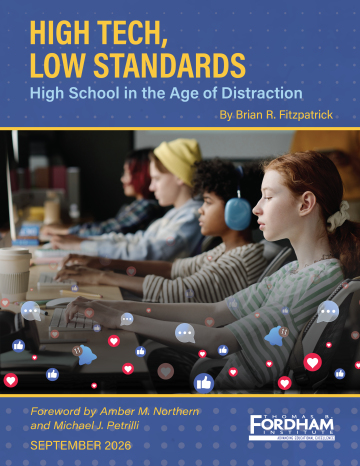
High Tech, Low Standards: High School in the Age of Distraction
A new national survey finds that school-issued devices, AI misuse, and grade inflation are undermining learning and leaving many students feeling unprepared for the future.
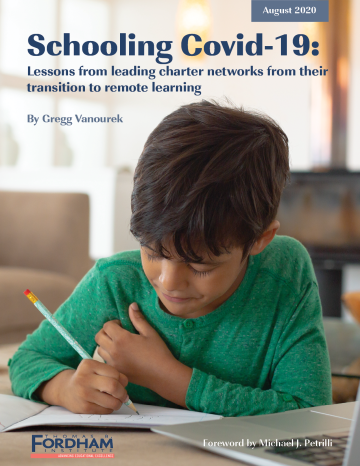
Schooling Covid-19: Lessons from leading charter networks from their transition to remote learning
Last spring, the Covid-19 pandemic upended routines for over 56 million students and challenged more than 3.7 million teachers in over 130,000 schools nationwide to continue educating kids in an online format. This transition to “virtual learning” was understandably trying for all educators, schools, and districts, but some managed to do far better than others.

Getting the Most Bang for the Education Buck
We spend too much time talking about how much to spend on schools but not enough on how those dollars are spent. Covid-19 has made this situation worse, as schools confront massive, looming budget shortfalls and the challenges of remote learning and public health. That’s on top of familiar issues like pensions, special education, technology, and all the rest. This book offers a workable path through this maze.
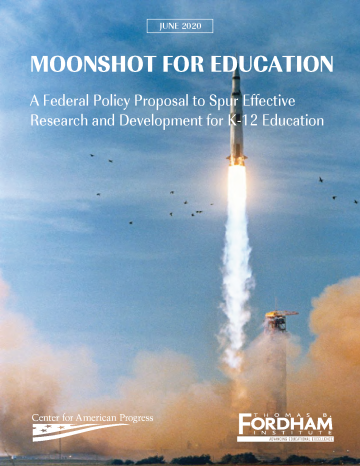
Moonshot for Education: A Federal Policy Proposal to Spur Effective Research and Development for K-12 Education
In dozens of fields, federally-supported research and development translates into new ideas, technologies, and actions. Why not in education, particularly as the Covid-19 crisis makes it abundantly clear that our educational systems are severely lacking innovative technologies that could have improved the resiliency and flexibility of our classrooms and facilitated a nationwide shift to remote instruction?
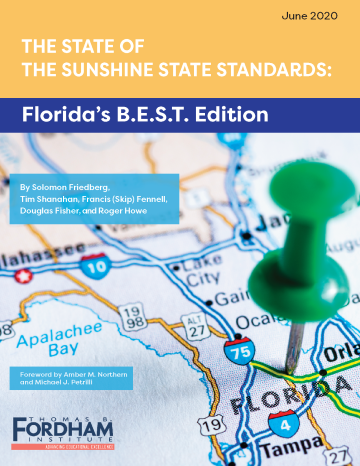
The State of the Sunshine State's Standards: The Florida B.E.S.T. Edition
A decade ago, states across the nation adopted the Common Core State Standards (CCSS) in an effort to raise the academic bar for their students. This has provoked countless political battles since then—including an especially intense one in Florida.
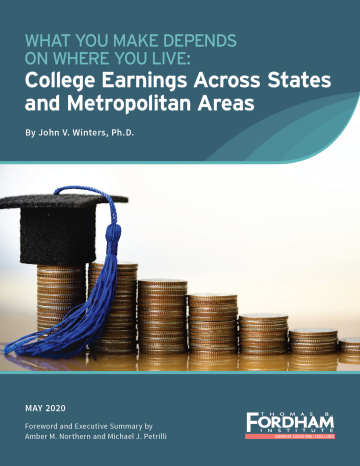
What You Make Depends on Where You Live: College Earnings Across States and Metropolitan Areas
Yes, what you make depends on what you know and what credentials you carry. But it also depends on where you live. That's what we find in our new report by John V. Winters. The first-of-its-kind analysis compares mean earnings for full-time workers with different levels of education in all 50 states and D.C., over 100 metro areas, and rural America. Read it to learn more.
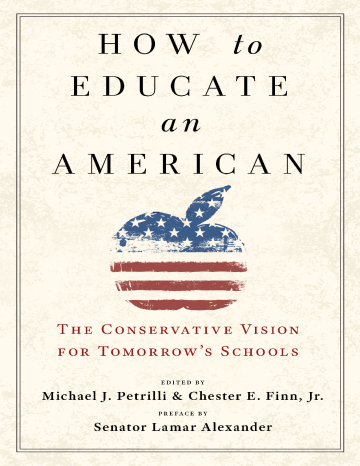
How to Educate an American: The Conservative Vision for Tomorrow's Schools
Featuring essays by twenty leading conservative thinkers, and anchored in tradition yet looking towards tomorrow, this book should be read by anyone concerned with teaching future generations to preserve the country’s heritage, embody its universal ethic, and pursue its founding ideals.
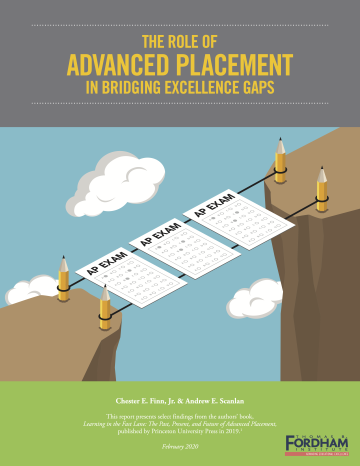
The Role of Advanced Placement in Bridging Excellence Gaps
This report presents key findings from Learning in the Fast Lane: The Past, Present, and Future of Advanced Placement, by Chester E. Finn, Jr. and Andrew E. Scanlan, and published by Princeton University Press in 2019.
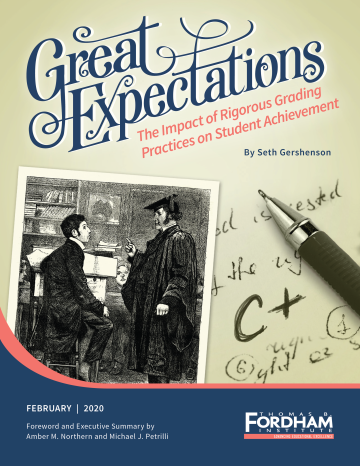
Great Expectations: The Impact of Rigorous Grading Practices on Student Achievement
One indicator of teachers’ expectations is their approach to grading—specifically, whether they subject students to more or less rigorous grading practices. Unfortunately, “grade inflation” is pervasive in U.S. high schools, as evidenced by rising GPAs even as SAT scores and other measures of academic performance have held stable or fallen. The result is that a “good” grade is no longer a clear marker of knowledge and skills. This report examines to what extent teachers’ grading standards affect student success.
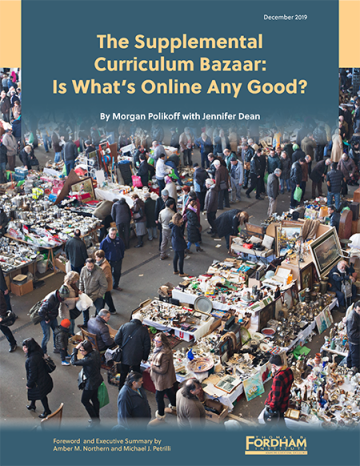
The Supplemental Curriculum Bazaar: Is What's Online Any Good?
Nearly all teachers today report using the Internet to obtain instructional materials, and many of them do so quite often. And while several organizations now offer impartial reviews of full curriculum products, very little is known about the content and quality of supplemental instructional materials.
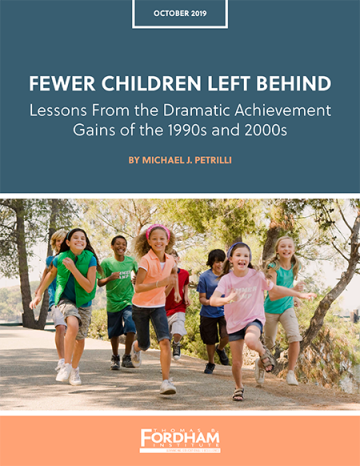
Fewer Children Left Behind: Lessons From the Dramatic Achievement Gains of the 1990s and 2000s
In this new monograph, Fewer Children Left Behind, Michael J. Petrilli, the president of the Thomas B. Fordham Institute, examines whether America’s schools have improved over the past quarter-century of reform.
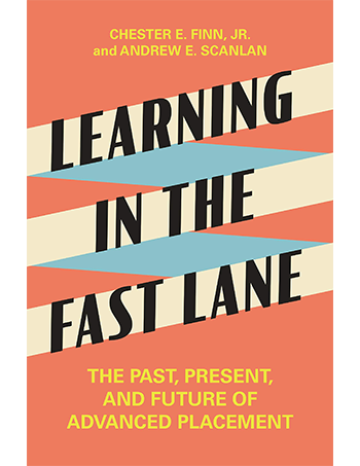
Learning in the Fast Lane: The Past, Present, and Future of Advanced Placement
Termed by the Washington Post’s Jay Mathews “the most comprehensive book on Advanced Placement, the most powerful educational tool in the country,” this book traces AP’s history from its mid-twentieth-century origins as a niche benefit for privileged students to its contemporary role as a vital springboard to college for high school students nationwide, including hundreds of thousands of poor and minority youngsters. It's a must-read for anyone with a stake in American K–12 education.