Mobile Navigation

  • National
    • Policy
      • High Expectations
      • Quality Choices
      • Personalized Pathways
    • Research
    • Commentary
      • Gadfly Newsletter
      • Flypaper Blog
    • Events
    • Scholars Program
  • Ohio
    • Policy
      • Priorities
      • Media & Testimony
    • Research
    • Commentary
      • Ohio Education Gadfly Biweekly
      • Ohio Gadfly Daily
  • Charter Authorizing
    • Application
    • Sponsored Schools
    • Resources
  • About
    • Mission
    • Board
    • Staff
    • Career
Home
Home
Advancing Educational Excellence

Main Navigation

  • National
  • Ohio
  • Charter Authorizing
  • About

National Menu

  • Topics
    • Accountability & Testing
    • Advanced Education
    • Career & Technical Education
    • Charter Schools
    • Curriculum & Instruction
    • ESSA
    • Evidence-Based Learning
    • Facilities
    • Governance
    • Personalized Learning
    • Private School Choice
    • School Finance
    • Standards
    • Teachers & School Leaders
    • Think Again
  • Research
  • Commentary
    • Gadfly Newsletter
    • Flypaper Blog
    • Gadfly Podcast
  • Events
  • Scholars Program
Flypaper

We add to Duncan's statement: Making sense of tragedy requires a solid education

Chester E. Finn, Jr.
9.11.2013

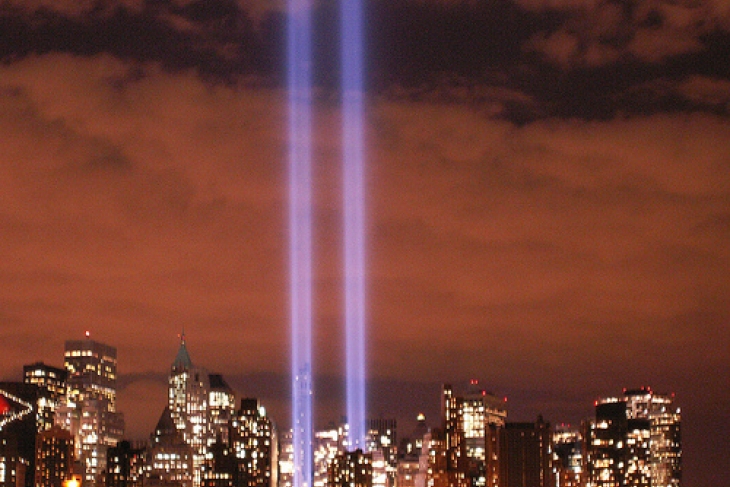
Arne Duncan was right to call attention to 9/11 as an important opportunity for teaching children about the heinous events of that day twelve years ago, about honoring those who perished, and about the value of "coming together" as Americans.

But he missed a terrific opportunity to remind American educators that kids need context and background knowledge if they're to make sense of 9/11—or, frankly, of much else, right down to and including what's going on in Syria today. That calls for a solid, content-centric K–12 curriculum, including lots and lots of history, geography, and civics, the great neglected subjects of the typical "social studies" curriculum. E.D. Hirsch's Core Knowledge sequence would be a swell place to start.

For the benefit of teachers (and high school/college students) who want to understand 9/11 in context, over the past dozen years we at Fordham have also produced three collections of terrific essays by thoughtful, eminent Americans on how to make sense of those events and what children need to know about them. You (and Secretary Duncan) can find this guidance here, here, and here.


Policy Priority:
High Expectations
Topics:
Curriculum & Instruction
Tags: Arne Duncan Core Knowledge Foundation

Chester E. Finn, Jr., scholar, educator and public servant, has devoted his career to improving education in the United States. At Fordham, he is now Distinguished Senior Fellow and President Emeritus. He’s also a Volker Senior Fellow at…

View Full Bio

Related Content

view
Slow road sign
High Expectations

How states can slow the staffing surge

Aaron Garth Smith 9.22.2026
NationalFlypaper
view
Ohio academic recovery blog image
Standards & Accountability

Will Ohio ever make a full academic recovery?

Aaron Churchill 9.22.2026
OhioOhio Gadfly Daily
view
Charter renewal term length report SR image
School Choice

Examining charter school contract renewal length decisions by authorizers

Jeff Murray 9.22.2026
OhioOhio Gadfly Daily
Fordham Logo

© 2026 The Thomas B. Fordham Institute
Privacy Policy
Usage Agreement

National

P.O. Box 110
Burke, VA 22009

202.223.5452

[email protected]

Ohio

P.O. Box 82291
Columbus, OH 43202

614.223.1580

[email protected]

Sponsorship

130 West Second Street, Suite 410
Dayton, Ohio 45402

937.227.3368

[email protected]