“Build back better” has become the mantra of post-disaster reconstruction, since the United Nations’ 2006 report, “Key Propositions for Building Back Better.” It points out that disasters can be leveraged as opportunities for change and improvement.
Education has been turned upside down in recent weeks, and I hope we never go back to the way things were before. Let’s look at this as a helpful interruption to inadequate policies and practices that have been largely unchallenged. Policies that have been harmful to disadvantaged students and their families. We have had needed changes in education for a long time, and leaders must address them while there is a genuine sense of urgency. Let’s build back better with these six important steps.
- Broaden access to technology to eliminate inequities. This crisis has exposed the extreme inequity in our school system. The most obvious is the digital divide that plagues low income households. Basic laptops now cost below $200 (less than a semester of high school text books), so there is no excuse not to ensure a laptop for every student starting in kindergarten, loaded with the software and communications tools needed to compete with affluent peers and spark their imagination about the world. The FCC needs to make basic internet service free to all households or homeless shelters with children of any age. Let’s build back better.
- Leverage data to serve students. School districts must invest in online professional development for teachers and staff. We’ve demonstrated that we can learn and collaborate electronically. Let’s never go back to boring afternoons of administrators drilling staff with canned PowerPoint presentations. Technology enables us to have real-time and asynchronous training whenever it works for the workers. Let’s build back better.
- Create more individualized instruction. Students should progress from grade to grade based on their competency in the subject matter, not how much time they sit in a classroom. Some students learn best in small groups, others with one-on-one tutoring or through experimentation. Others thrive in a classroom model or independently. Older students may not need to be on campus all day every day, preferring a university-like model. Let’s build back better.
- Trauma-informed practices must become the standard. Many students and teachers are feeling the stress and grief from COVID-19. Even before this pandemic, schools primarily treated the behaviors associated with grief as discipline cases. When youth and adults act out in grief, with short tempers or by becoming withdrawn, we need leaders and counselors to recognize grief and respond through trauma-informed practices. In this crisis, we are seeing a warming of empathy and compassion in our communities. Let’s build back better.
- School safety will also mean cleanliness. People need to feel safe in our schools. Building maintenance and cleanliness often has been given short shrift in our urban public schools. The elementary school my daughter attended was the best science magnet in Los Angeles, but the halls always smelled of urine, and there was a school nurse only once a week. Without a greater investment in sanitizing and physical safety, our families will be reluctant to send their children back and our schools and staff won’t want to teach there. Let’s build back better.
- Revise the financial structures of our school systems. Many of our schools were facing financial strains before this crisis. With the nation slipping into economic depression, by necessity we will need to rethink and revise the financial structures of our school systems that have long been calcified into laws, regulations, and union contracts. We may need more money—and we will need to spend it differently based on new priorities that put students first and treat our educators as the professionals they are. Let’s build back better.
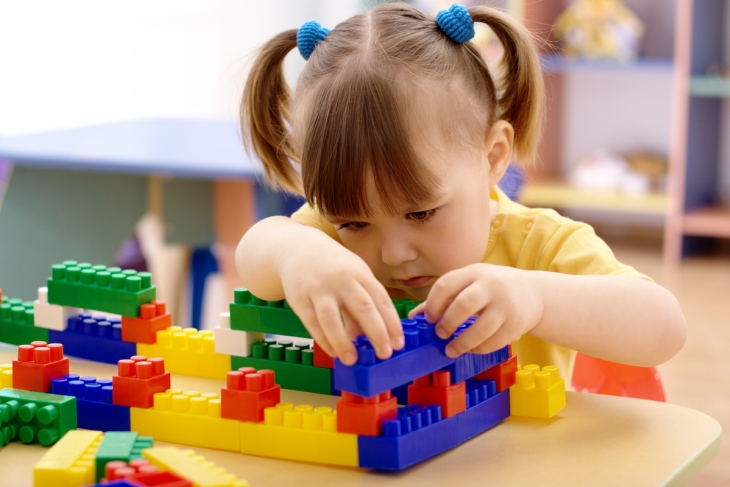
I am heartened by the humor of parents’ online posts becoming profoundly thankful for the important work our teachers do. The wellspring of academic creativity and sharing of resources inspire all of us that education really can become exciting and engaging again. Let’s make potions in the kitchen, learn executive functioning skills with Legos, and see that special education can highlight the strength in different ways of knowing. Let’s build back better.