Should schools pay students to attend remediation programs?
When my middle child was in high school, nothing I said or did could keep him from dropping out. But what if I’d tried paying him?

While some aspects of the putative
Despite working longer hours and experiencing higher levels of stress
At peak enrollment in Baton Rouge, Louisiana, our local school system educated over 70,000 children. Now, in essentially the same facilities, it serves just over 34,000 children. The district has been experiencing a steady decline in student enrollment since the early 2000s, losing around 2 percent of our student population each year on average.
Editor’s note: This is the second in a series about Montgomery County [Maryland] Public Schools (MCPS), the fifteenth largest district in the country. Part one covered curricular and related issues and is available here.
Yes, choice itself is a form of accountability, but “customer satisfaction” isn’t enough when tax dollars are in play—even for private-school choice programs. The public has a right to know that participating students are gaining essential skills. To that end, this post discusses four tiers of escalating accountability and where state policy should land, depending on the amount of taxpayer dollars provided to individual schools, among other considerations.
Editor’s note: This was first published by The 74. Say your boss gives you an unexpected bonus at work. Would you save the money, make those home upgrades you’ve been putting off or splurge on a nice vacation?
A 6,000 student Midwestern district recently adopted a budget that would result—if all goes according to plan—in a $13.2 million deficit, or more than $2,000 per student. This follows $10 million shortfalls in each of the previous two years. Cash is dwindling.
Houston’s local ABC news affiliate recently ran a report that the Houston Independent School District, Texas’s largest, has more than 2,000 uncertified teachers (out of a teaching force of approximately 10,000).
Schools across the country spend billions of dollars each year on the construction and renovation of their facilities—everything from roof repairs to new science labs and from classroom expansions to whole new buildings. How do these expenditures impact students and the taxpaying community around schools?
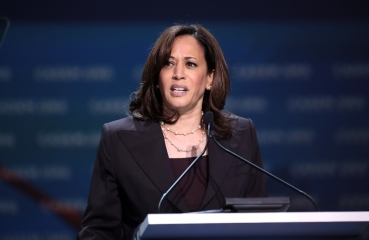
As a candidate for president in 2020, Kamala Harris introduced a plan to raise teacher salaries by $13,500.
The specific connection between increased school funding and student outcomes remains unclear—regardless of whether the added dollars are blanket or targeted—and the
Knee-jerk reaction against public subsidies for religious education is unwise. That’s because allowing religious families to choose sectarian schools for their children could very well be a saving grace for our society. And you don’t have to be among the faithful to believe so.
On this week’s Education Gadfly Show podcast, Marguerite Roza, the director of the Edunomics La
Watching the debate last night, all I could think about was my time spent on the playground with my toddler. Her wobbly legs ever close to tumbling down the ladder and causing me constant low-grade anxiety. I felt the same watching Biden fumble through answers, stare into space, and exhibit all the hallmarks of an aging man in cognitive decline.
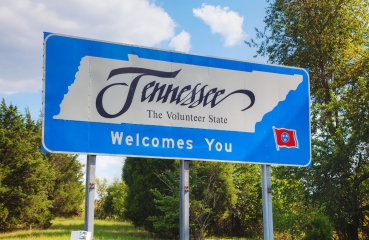
Tennessee lawmakers adopted a new school funding formula in 2022, moving from a staffing-based to a per-pupil-based model with the intent of directing more state dollars to students who need them most.
One of the most persistent myths in K–12 education is the idea that high-poverty schools are near-universally, significantly underfunded. However, the truth is much more complicated. As it turns out, poor districts get more money in almost every state—and school spending has an incredibly weak relationship with school quality in the first place.
The school choice movement continues to rack up dramatic wins nationwide. This growth in “educational freedom,” as many advocates now call it, is a fantastic development. But under the surface of these victories, an important debate is brewing: how to balance the drive for maximum choice with other values, including fiscal responsibility and fairness.
Congress is currently considering legislation to update the way that the federal government funds education research and development.
This is the eighth in a series on doing educational equity right.
Districts have used almost $190 billion in ESSER funds to help students recover from pandemic learning loss by implementing a wide variety of initiatives, including
In recent months, housing programs for school teachers have begun to receive high-profile attention. And with good reason: As costs of living have risen, teacher salaries have not kept pace, thereby decreasing some educators’ ability to live near their workplaces. But are such policies actually a good thing? In short: We really don’t know.
Equitably funding education in America means providing more resources to students who need additional support.
Khaya Njumbe enrolled at GEO Academies’ 21st Century Charter School, in Gary, Indiana, when he was eleven years old. By age thirteen, he’d become the youngest student in state history to earn an associate degree.
Last week, Petrilli identified three rules for “doing educational equity right” that will result in smart policy designs and make it likelier that the political right will get on board the equity train. Now let’s apply those rules to the topic of school finance.
Education in the United States needs to improve and evolve. Too many learners get lost in the current system. Even more are underserved or under-resourced.
College for all has been the goal of K–12 schools for at least twenty-five years. This has meant that America’s schools typically do not provide young people with work experience. This experience gap has young people leaving high school with little understanding of work and practical pathways to jobs and careers.
In a new report and accompanying factsheet, authors Jason Bedrick, Jay Greene, and Lindsey Burke of the Heritage Foundation look into
The claims from the field of education technology—“ed tech” to insiders—could hardly be more grandiose.
History and research make clear that, often, the