
Mobile Navigation

  • National
    • Policy
      • High Expectations
      • Quality Choices
      • Personalized Pathways
    • Research
    • Commentary
      • Gadfly Newsletter
      • Flypaper Blog
    • Events
    • Scholars Program
  • Ohio
    • Policy
      • Priorities
      • Media & Testimony
    • Research
    • Commentary
      • Ohio Education Gadfly Biweekly
      • Ohio Gadfly Daily
  • Charter Authorizing
    • Application
    • Sponsored Schools
    • Resources
  • About
    • Mission
    • Board
    • Staff
    • Career
Home
Home
Advancing Educational Excellence

Main Navigation

  • National
  • Ohio
  • Charter Authorizing
  • About

National Menu

  • Topics
    • Accountability & Testing
    • Advanced Education
    • Career & Technical Education
    • Charter Schools
    • Curriculum & Instruction
    • ESSA
    • Evidence-Based Learning
    • Facilities
    • Governance
    • Personalized Learning
    • Private School Choice
    • School Finance
    • Standards
    • Teachers & School Leaders
    • Think Again
  • Research
  • Commentary
    • Gadfly Newsletter
    • Flypaper Blog
    • Gadfly Podcast
  • Events
  • Scholars Program

Where's the evidence on "autonomy"?

Diane Ravitch
4.25.2007

When the Thomas B. Fordham Foundation issued a manifesto about principals a few years ago, I was asked to sign it and I declined. I did so because I don't believe that anyone from any field can be "trained" to be a good principal, and I thought that this was a logical outcome of the views expressed in the manifesto about opening up the job to outsiders. There may be exceptions, of course, there may be an occasional instance of a newcomer who becomes a successful principal, but on average, this strikes me as an unlikely prospect. I prefer to place my bets on people who have shown themselves to be successful teachers and who have had experience as assistant principals. The position of principal ("head teacher") is far too important to turn over to marketing executives, lawyers, business leaders, and other career changers who want a new adventure.

I also disagree with the premise of the "autonomy gap," the assertion that student performance will rise if principals have more power. I am all for giving more discretion to principals to run their schools, with more control of their budget and staff (consistent with due process), but I have never been a believer in the theory of letting thousands of flowers bloom. More likely, a garden that is untended will produce a few flowers and thousands of weeds.

I might be persuaded that I am wrong if the advocates for autonomy could produce data showing a clear link between principal autonomy and higher student achievement. Having seen no such evidence, I conclude that the belief in principal autonomy is based on ideology, not evidence.

Therefore, I dissent.
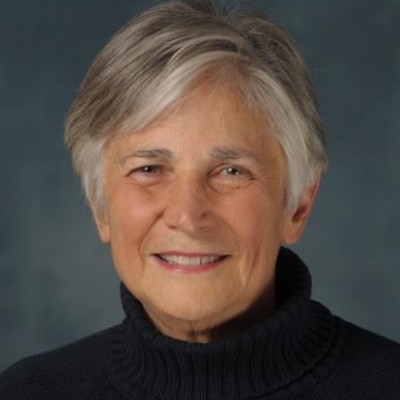
Diane Ravitch is Research Professor at New York University and a Non-Resident Senior Fellow at the Brookings Institution in Washington, D.C.

In 1993-94, she was a Visiting Fellow in Governmental Studies at Brookings. From 1991 to 1993, she served as Assistant Secretary of Education and Counselor to the Secretary of Education and was responsible for the Office of Educational Research and Improvement in the U.S…

View Full Bio
Fordham Logo

© 2026 The Thomas B. Fordham Institute
Privacy Policy
Usage Agreement

National

P.O. Box 110
Burke, VA 22009

202.223.5452

[email protected]

Ohio

P.O. Box 82291
Columbus, OH 43202

614.223.1580

[email protected]

Sponsorship

130 West Second Street, Suite 410
Dayton, Ohio 45402

937.227.3368

[email protected]