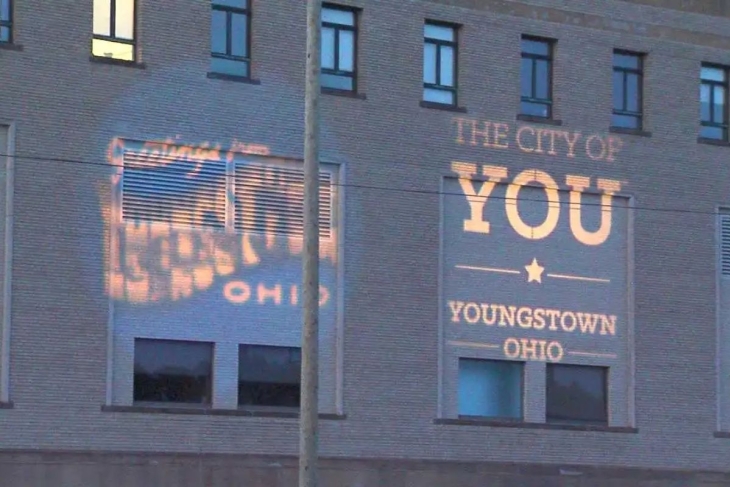
Last year, lawmakers caved to political pressure and created an easy off-ramp for the three districts currently under Academic Distress Commission (ADC) oversight: Youngstown, Lorain, and East Cleveland. Each school board was charged with developing an academic-improvement plan containing annual and overall improvement benchmarks. The state approved these plans in December.
Districts are set to begin implementation of their plans at the start of the 2022–23 school year. But officials at Youngstown City School District recently noted that they also included goals for the current school year as a means of holding themselves “accountable.” According to an article in The Vindicator, nine of the thirteen benchmarks that can be measured thus far have already been met.
The article doesn’t examine these nine benchmarks in depth, but it does briefly mention a literacy goal for students in grades 2–5 and a math goal for students in grades 4–5. A quick look at Youngstown’s approved plan shows that these benchmarks are tied to NWEA MAP, a computer adaptive assessment used in schools across the nation. MAP assessments can be administered at any time (though they’re typically administered three times a year), so it’s definitely possible for Youngstown to measure progress this early. But the implication that meeting or exceeding these benchmarks so soon is a good sign “despite the Covid-19 pandemic” is misguided.
First and foremost, these goals are not rigorous. Consider the literacy benchmark for students in grades 2–5, which aims for students to meet an “individual expected growth goal” based on MAP. The percentage of students who meet this goal must gradually increase each year, from 32 percent during 2022–23 to 44 percent in 2023–24 and 57 percent by 2024–25. That seems like a reasonable increase until one digs a little deeper and finds that prior to the pandemic, 52 percent of Youngstown students met their growth targets in 2017–18 and 50 percent in 2018–19. Pandemic-caused learning loss is nothing to scoff at, but districts are back to in-person, full-time school. They have millions in federal relief funds to dedicate to catching students up. And yet, Youngstown won’t be accountable for getting the number of second- through fifth-grade students who meet their literacy growth goal above pre-Covid levels until three years after their new improvement plan takes effect. With in-person school back on, millions in relief funding, and a horde of intervention ideas floating around, the district should be working toward much more rigorous benchmarks rather than patting themselves on the back for reaching low targets.
Second, it’s important to keep in mind that these are growth goals. They do not measure whether students can read proficiently or have met grade-level state standards. Growth can and should be celebrated, but it’s not the same as proficiency. In fact, it’s likely that many students who meet their growth goals this year will need several more years of strong academic growth to read or do math on grade level. According to an in-depth look at state test results from spring 2021, students lost anywhere from one-half to a whole year’s worth of learning in math and between one-third and one-half of a year’s worth of learning in ELA compared to prior years. One year of solid growth simply isn’t enough to make up this ground—it must be sustained, and that should be the district’s focus right now.
We won’t know whether Youngstown schools have improved until we get full state test results in the fall. Report cards will offer a clearer look at growth—thanks to Ohio’s value-added measure—and proficiency numbers will shine a light on how many students are truly meeting grade-level standards. But in the meantime, it should worry parents and advocates that district officials and the media are already touting improvement. It’s bad enough that the state approved a plan with such lackluster benchmarks. But using some of those benchmarks to claim a semblance of victory before full implementation of the plan has even started? That’s not a good sign.