
Mobile Navigation

  • National
    • Policy
      • High Expectations
      • Quality Choices
      • Personalized Pathways
    • Research
    • Commentary
      • Gadfly Newsletter
      • Flypaper Blog
    • Events
    • Scholars Program
  • Ohio
    • Policy
      • Priorities
      • Media & Testimony
    • Research
    • Commentary
      • Ohio Education Gadfly Biweekly
      • Ohio Gadfly Daily
  • Charter Authorizing
    • Application
    • Sponsored Schools
    • Resources
  • About
    • Mission
    • Board
    • Staff
    • Career
Home
Home
Advancing Educational Excellence

Main Navigation

  • National
  • Ohio
  • Charter Authorizing
  • About

National Menu

  • Topics
    • Accountability & Testing
    • Advanced Education
    • Career & Technical Education
    • Charter Schools
    • Curriculum & Instruction
    • ESSA
    • Evidence-Based Learning
    • Facilities
    • Governance
    • Personalized Learning
    • Private School Choice
    • School Finance
    • Standards
    • Teachers & School Leaders
    • Think Again
  • Research
  • Commentary
    • Gadfly Newsletter
    • Flypaper Blog
    • Gadfly Podcast
  • Events
  • Scholars Program

School Choice in New York City After Three Years: An Evaluation of the School Choice Scholarships Program,

Chester E. Finn, Jr.
2.27.2002

Final Report, David Myers, Paul Peterson, et al.
Mathematica Policy Research and the Harvard Program on Education Policy and Governance
February 2002

David Myers, Paul Peterson and colleagues at Mathematica Policy Research and the Harvard Program on Education Policy and Governance issued this lengthy study the day before the U.S. Supreme Court heard the Cleveland voucher case. It reviews three year's of evidence from a large, privately funded voucher program in New York City. The "bottom line" is interesting but ambiguous. Taken as a whole, low-income children who attended private schools with the assistance of these scholarships did not academically surpass the control-group children who remained in the public schools. However, when the results are separately analyzed for black youngsters (44 percent of those in the sample studied here), the researchers found statistically-significant academic achievement gains, amounting to about 9 additional points on combined reading-math tests for those who spent all three years in the private schools. The Hispanic youngsters in the program, however, showed no effect. This finding parallels those reported earlier from similar programs in Washington, D.C. and Dayton, Ohio: they make a measurable difference for African-American youngsters but not for others who are just as poor. Why? Nobody is sure, though theories abound. The New York report also reviews data on many other aspects of the school experience (e.g. parental satisfaction, discipline, homework). On almost all such indicators, the scholarship students in private schools fare better than their public-school counterparts. You can get your own copy in PDF form by surfing to http://www.mathematica-mpr.com/Press%20Releases/nycchoicerel.htm and following the directions.
Tags: Cleveland Dayton Mathematica New York Ohio School choice Supreme Court of the United States Washington
+3 More Show Less

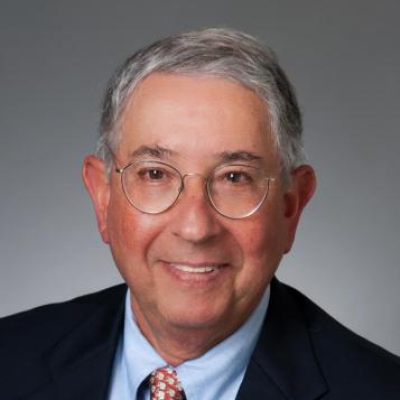
Chester E. Finn, Jr., scholar, educator and public servant, has devoted his career to improving education in the United States. At Fordham, he is now Distinguished Senior Fellow and President Emeritus. He’s also a Volker Senior Fellow at…

View Full Bio
Fordham Logo

© 2026 The Thomas B. Fordham Institute
Privacy Policy
Usage Agreement

National

P.O. Box 110
Burke, VA 22009

202.223.5452

[email protected]

Ohio

P.O. Box 82291
Columbus, OH 43202

614.223.1580

[email protected]

Sponsorship

130 West Second Street, Suite 410
Dayton, Ohio 45402

937.227.3368

[email protected]