
Mobile Navigation

  • National
    • Policy
      • High Expectations
      • Quality Choices
      • Personalized Pathways
    • Research
    • Commentary
      • Gadfly Newsletter
      • Flypaper Blog
    • Events
    • Scholars Program
  • Ohio
    • Policy
      • Priorities
      • Media & Testimony
    • Research
    • Commentary
      • Ohio Education Gadfly Biweekly
      • Ohio Gadfly Daily
  • Charter Authorizing
    • Application
    • Sponsored Schools
    • Resources
  • About
    • Mission
    • Board
    • Staff
    • Career
Home
Home
Advancing Educational Excellence

Main Navigation

  • National
  • Ohio
  • Charter Authorizing
  • About

National Menu

  • Topics
    • Accountability & Testing
    • Advanced Education
    • Career & Technical Education
    • Charter Schools
    • Curriculum & Instruction
    • ESSA
    • Evidence-Based Learning
    • Facilities
    • Governance
    • Personalized Learning
    • Private School Choice
    • School Finance
    • Standards
    • Teachers & School Leaders
    • Think Again
  • Research
  • Commentary
    • Gadfly Newsletter
    • Flypaper Blog
    • Gadfly Podcast
  • Events
  • Scholars Program

The Private Sector Serving the Educational Needs of the Poor: A Case Study from the Philippines

Chester E. Finn, Jr.
10.22.2002

Charisse Gulosino and James Tooley, E.G. West Centre, School of Education, University of Newcastle
August 2002

This fascinating new report from the imaginative British education researcher James Tooley, here joined by Charisse Gulosino, examines low-cost, low-priced private schools that educate poor children in the Philippines. You may previously have read Tooley on private schooling for the poor in other third-world countries, such as India. This is his first report on the phenomenon in the Philippines, based on a study of 81 such schools in some of the most disadvantaged parts of that land. Most are religious schools. Most charge very low tuitions, offer scholarships, get little government aid, yet manage to make ends meet and, in some cases, to make surpluses or profits. They appear to be doing a good job. Parents are satisfied. The schools have greater curricular flexibility (to teach English, especially) than their government counterparts. Yet various government policies impede their work and curb their expansion. For more information, surf to http://www.ncl.ac.uk/egwest/research/philippines.html.
Tags: English India United Kingdom

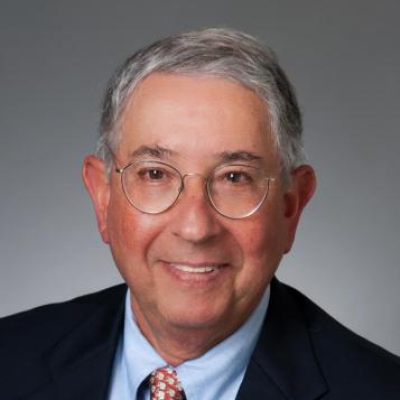
Chester E. Finn, Jr., scholar, educator and public servant, has devoted his career to improving education in the United States. At Fordham, he is now Distinguished Senior Fellow and President Emeritus. He’s also a Volker Senior Fellow at…

View Full Bio
Fordham Logo

© 2026 The Thomas B. Fordham Institute
Privacy Policy
Usage Agreement

National

P.O. Box 110
Burke, VA 22009

202.223.5452

[email protected]

Ohio

P.O. Box 82291
Columbus, OH 43202

614.223.1580

[email protected]

Sponsorship

130 West Second Street, Suite 410
Dayton, Ohio 45402

937.227.3368

[email protected]