
Mobile Navigation

  • National
    • Policy
      • High Expectations
      • Quality Choices
      • Personalized Pathways
    • Research
    • Commentary
      • Gadfly Newsletter
      • Flypaper Blog
    • Events
    • Scholars Program
  • Ohio
    • Policy
      • Priorities
      • Media & Testimony
    • Research
    • Commentary
      • Ohio Education Gadfly Biweekly
      • Ohio Gadfly Daily
  • Charter Authorizing
    • Application
    • Sponsored Schools
    • Resources
  • About
    • Mission
    • Board
    • Staff
    • Career
Home
Home
Advancing Educational Excellence

Main Navigation

  • National
  • Ohio
  • Charter Authorizing
  • About

National Menu

  • Topics
    • Accountability & Testing
    • Advanced Education
    • Career & Technical Education
    • Charter Schools
    • Curriculum & Instruction
    • ESSA
    • Evidence-Based Learning
    • Facilities
    • Governance
    • Personalized Learning
    • Private School Choice
    • School Finance
    • Standards
    • Teachers & School Leaders
    • Think Again
  • Research
  • Commentary
    • Gadfly Newsletter
    • Flypaper Blog
    • Gadfly Podcast
  • Events
  • Scholars Program

The Funding Gap 2004

Chester E. Finn, Jr.
10.13.2004

Kevin Carey, The Education Trust
Fall 2004

The Education Trust's Kevin Carey is the author of this 17-pager contending that, despite any number of "equity" and "adequacy" lawsuits and ceaseless increases in education spending, many states still spend less per student in high-poverty districts than in more prosperous communities. These data are from 2001-2 and use state and district revenues only. Various adjustments are involved. EdTrust's bottom line: half the states spend less per pupil in high-poverty districts and 31 states spend less in high-minority districts. On the other hand, the remaining states, for the most part, spend more in such districts. For example, while Illinois and New York spend less, Massachusetts, and New Jersey spend more in poor/minority districts. EdTrust goes on to say that it actually costs 40 percent more to educate a poor kid (basing that figure on a formula found in an obscure section of NCLB) and that, when state funding is calculated accordingly, 36 states under-fund their high poverty, high minority districts. As for recent changes, according to Carey's calculations, 27 states "shrunk their gaps" between 1997 and 2002 while gaps widened in 22. Not surprisingly, he urges states to take various steps to eradicate those gaps and provide adequate resources to schools with needy kids. At the risk of pointing out the obvious, I note that a lot of high-poverty places that are also high spending (e.g. the District of Columbia, Newark) are providing kids with a miserable education. Spending is not irrelevant, but how the money is spent matters more. You can find the report online here.
Tags: Illinois Kevin Carey Massachusetts New Jersey New York Newark No Child Left Behind Act Washington
+3 More Show Less

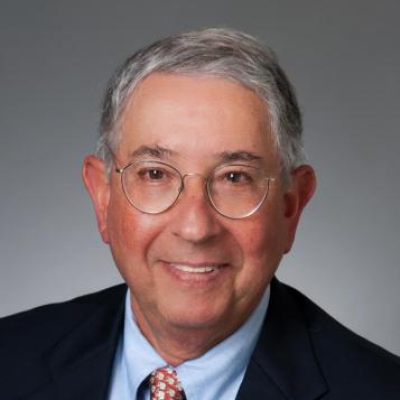
Chester E. Finn, Jr., scholar, educator and public servant, has devoted his career to improving education in the United States. At Fordham, he is now Distinguished Senior Fellow and President Emeritus. He’s also a Volker Senior Fellow at…

View Full Bio
Fordham Logo

© 2026 The Thomas B. Fordham Institute
Privacy Policy
Usage Agreement

National

P.O. Box 110
Burke, VA 22009

202.223.5452

[email protected]

Ohio

P.O. Box 82291
Columbus, OH 43202

614.223.1580

[email protected]

Sponsorship

130 West Second Street, Suite 410
Dayton, Ohio 45402

937.227.3368

[email protected]