
Mobile Navigation

  • National
    • Policy
      • High Expectations
      • Quality Choices
      • Personalized Pathways
    • Research
    • Commentary
      • Gadfly Newsletter
      • Flypaper Blog
    • Events
    • Scholars Program
  • Ohio
    • Policy
      • Priorities
      • Media & Testimony
    • Research
    • Commentary
      • Ohio Education Gadfly Biweekly
      • Ohio Gadfly Daily
  • Charter Authorizing
    • Application
    • Sponsored Schools
    • Resources
  • About
    • Mission
    • Board
    • Staff
    • Career
Home
Home
Advancing Educational Excellence

Main Navigation

  • National
  • Ohio
  • Charter Authorizing
  • About

National Menu

  • Topics
    • Accountability & Testing
    • Advanced Education
    • Career & Technical Education
    • Charter Schools
    • Curriculum & Instruction
    • ESSA
    • Evidence-Based Learning
    • Facilities
    • Governance
    • Personalized Learning
    • Private School Choice
    • School Finance
    • Standards
    • Teachers & School Leaders
    • Think Again
  • Research
  • Commentary
    • Gadfly Newsletter
    • Flypaper Blog
    • Gadfly Podcast
  • Events
  • Scholars Program

Fraud and Education: The Worm in the Apple

Chester E. Finn, Jr.
7.24.2001

Harold J. Noah (emeritus professor at Teachers College, Columbia) and Max A. Eckstein (emeritus professor at Queens College, CUNY) have written this disturbing book about education fraud and chicanery. They spotlight student cheating, credentials fraud and misconduct by professionals. The first of those topics regularly makes it into the news, but they also offer alarming and less familiar examples under the second and third headings. Most of their evidence of credentials fraud involves diploma mills, but they also illustrate forgeries and falsifications. Professional misconduct includes helping students cheat, plagiarizing other scholars' work, fabricating research findings, and suchlike. Noah and Eckstein do a better job of spotlighting these problems than of explaining their origins and devising solutions. Progressive educators both, they track the rising incidence of fraud to the intensifying of "competitive pressures," notably mounting emphasis on test scores, which boosts the incentive to cheat, etc. But that's not all. They even finger the local property tax as a source of this problem! As expected, they urge a lessening of competitive pressure by reducing the importance of test-driven accountability. They tread very lightly on other possible solutions, such as more rigorous enforcement of standards, better proctoring of tests, more careful checking of credentials, etc. But even if you don't find merit in their explanations and remedies, you will very likely widen your eyes at the evidence they uncover of the incidence of education fraud. The ISBN is 0-7425-1032-8. The publisher is Rowman & Littlefield, 4720 Boston Way, Lanham, MD 20706. They can be phoned at (800) 462-6420 and found on the web at www.rowmanlittlefield.com.

Tags: Maryland Teachers College, Columbia University

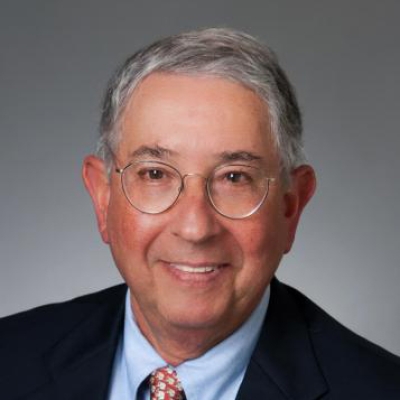
Chester E. Finn, Jr., scholar, educator and public servant, has devoted his career to improving education in the United States. At Fordham, he is now Distinguished Senior Fellow and President Emeritus. He’s also a Volker Senior Fellow at…

View Full Bio
Fordham Logo

© 2026 The Thomas B. Fordham Institute
Privacy Policy
Usage Agreement

National

P.O. Box 110
Burke, VA 22009

202.223.5452

[email protected]

Ohio

P.O. Box 82291
Columbus, OH 43202

614.223.1580

[email protected]

Sponsorship

130 West Second Street, Suite 410
Dayton, Ohio 45402

937.227.3368

[email protected]