
Mobile Navigation

  • National
    • Policy
      • High Expectations
      • Quality Choices
      • Personalized Pathways
    • Research
    • Commentary
      • Gadfly Newsletter
      • Flypaper Blog
    • Events
    • Scholars Program
  • Ohio
    • Policy
      • Priorities
      • Media & Testimony
    • Research
    • Commentary
      • Ohio Education Gadfly Biweekly
      • Ohio Gadfly Daily
  • Charter Authorizing
    • Application
    • Sponsored Schools
    • Resources
  • About
    • Mission
    • Board
    • Staff
    • Career
Home
Home
Advancing Educational Excellence

Main Navigation

  • National
  • Ohio
  • Charter Authorizing
  • About

National Menu

  • Topics
    • Accountability & Testing
    • Advanced Education
    • Career & Technical Education
    • Charter Schools
    • Curriculum & Instruction
    • ESSA
    • Evidence-Based Learning
    • Facilities
    • Governance
    • Personalized Learning
    • Private School Choice
    • School Finance
    • Standards
    • Teachers & School Leaders
    • Think Again
  • Research
  • Commentary
    • Gadfly Newsletter
    • Flypaper Blog
    • Gadfly Podcast
  • Events
  • Scholars Program

Collision Course: Federal Education Policy Meets State and Local Realities

Chester E. Finn, Jr.
11.3.2010

The release of this informative and lively book by William & Mary political scientist Paul Manna is exquisitely timed for what many expect to be ESEA reauthorization (finally!) by the 112th Congress, which after Tuesday’s election, may be more open to Manna's counsel than its predecessor. In its pages, he draws from eight years of study on NCLB implementation and does a first-rate job of depicting its consequences—both positive and negative—and drawing insightful conclusions for the future federal role in K-12 education. He ends with scant faith that the traditional ESEA approach—brought to what may well have been its apogee in NCLB—can yield good results. “Crafting a new role that better recognizes the constraints limiting federal power in education” might, however, “enable federal policy to make valuable contributions.” “With such an acknowledgment,” he writes, “the vast majority of influence over the nation's schools would still reside in state and local governments. No doubt, that would prove frustrating to reformers who wish to see Washington play a more aggressive role....Still, if educational results...are most important, then it should not matter if federal leaders or their colleagues at other levels of government wield the most power. The point would be to engineer federal advocacy, funding, incentives, and information to help state and local governments improve opportunities and results for the nation's students.” Sage advice, that.

Paul Manna, “Collision Course: Federal Education Policy Meets State and Local Realities,” (Washington, D.C.: SAGE, 2011).
Tags: No Child Left Behind Act United States Congress Washington

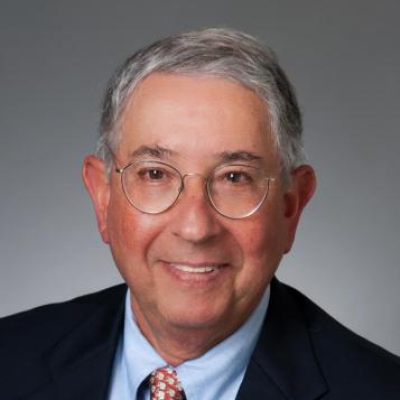
Chester E. Finn, Jr., scholar, educator and public servant, has devoted his career to improving education in the United States. At Fordham, he is now Distinguished Senior Fellow and President Emeritus. He’s also a Volker Senior Fellow at…

View Full Bio
Fordham Logo

© 2026 The Thomas B. Fordham Institute
Privacy Policy
Usage Agreement

National

P.O. Box 110
Burke, VA 22009

202.223.5452

[email protected]

Ohio

P.O. Box 82291
Columbus, OH 43202

614.223.1580

[email protected]

Sponsorship

130 West Second Street, Suite 410
Dayton, Ohio 45402

937.227.3368

[email protected]