Mobile Navigation

  • National
    • Policy
      • High Expectations
      • Quality Choices
      • Personalized Pathways
    • Research
    • Commentary
      • Gadfly Newsletter
      • Flypaper Blog
    • Events
    • Scholars Program
  • Ohio
    • Policy
      • Priorities
      • Media & Testimony
    • Research
    • Commentary
      • Ohio Education Gadfly Biweekly
      • Ohio Gadfly Daily
  • Charter Authorizing
    • Application
    • Sponsored Schools
    • Resources
  • About
    • Mission
    • Board
    • Staff
    • Career
Home
Home
Advancing Educational Excellence

Main Navigation

  • National
  • Ohio
  • Charter Authorizing
  • About

National Menu

  • Topics
    • Accountability & Testing
    • Advanced Education
    • Career & Technical Education
    • Charter Schools
    • Curriculum & Instruction
    • ESSA
    • Evidence-Based Learning
    • Facilities
    • Governance
    • Personalized Learning
    • Private School Choice
    • School Finance
    • Standards
    • Teachers & School Leaders
    • Think Again
  • Research
  • Commentary
    • Gadfly Newsletter
    • Flypaper Blog
    • Gadfly Podcast
  • Events
  • Scholars Program
Flypaper

On charter backfill debate, I'm with #TeamPaul

Chester E. Finn, Jr.
8.31.2015

In the CRPE debate between Paul Hill and Robin Lake on the issue of charter back-fill, Paul's right. Robin, as always, makes excellent points and raises legitimate concerns. But in the grand trade-off they're debating—whether "high-output" charters should be able to be choosy about which kids they retain and what they do with vacancies that arise during the year—Paul makes the more persuasive argument, at least when judged by what's good for the kids who stand to benefit most from these schools. If we keep their interests squarely in front of us, we must wind up agreeing with Paul: "When drawing from a highly at-risk population, it is not easy to identify kids who will do the work a priori. It’s one thing for a student and family to promise daily attendance and completion of all assignments, but quite another to deliver. A high-output school has to let those kids who won’t fulfill their obligations go elsewhere, unless it is willing to abandon requirements that it considers essential to full college preparation. It should be free to fill seats that become vacant with kids who have a good chance of succeeding in the school, but shouldn’t be forced to fill vacancies."
Policy Priority:
Quality Choices
Topics:
Charter Schools
Tags: Secondary school

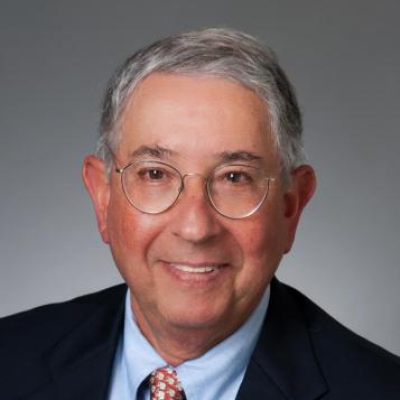
Chester E. Finn, Jr., scholar, educator and public servant, has devoted his career to improving education in the United States. At Fordham, he is now Distinguished Senior Fellow and President Emeritus. He’s also a Volker Senior Fellow at…

View Full Bio

Related Content

view
Slow road sign
High Expectations

How states can slow the staffing surge

Aaron Garth Smith 9.22.2026
NationalFlypaper
view
Ohio academic recovery blog image
Standards & Accountability

Will Ohio ever make a full academic recovery?

Aaron Churchill 9.22.2026
OhioOhio Gadfly Daily
view
Charter renewal term length report SR image
School Choice

Examining charter school contract renewal length decisions by authorizers

Jeff Murray 9.22.2026
OhioOhio Gadfly Daily
Fordham Logo

© 2026 The Thomas B. Fordham Institute
Privacy Policy
Usage Agreement

National

P.O. Box 110
Burke, VA 22009

202.223.5452

[email protected]

Ohio

P.O. Box 82291
Columbus, OH 43202

614.223.1580

[email protected]

Sponsorship

130 West Second Street, Suite 410
Dayton, Ohio 45402

937.227.3368

[email protected]