
Mobile Navigation

  • National
    • Policy
      • High Expectations
      • Quality Choices
      • Personalized Pathways
    • Research
    • Commentary
      • Gadfly Newsletter
      • Flypaper Blog
    • Events
    • Scholars Program
  • Ohio
    • Policy
      • Priorities
      • Media & Testimony
    • Research
    • Commentary
      • Ohio Education Gadfly Biweekly
      • Ohio Gadfly Daily
  • Charter Authorizing
    • Application
    • Sponsored Schools
    • Resources
  • About
    • Mission
    • Board
    • Staff
    • Career
Home
Home
Advancing Educational Excellence

Main Navigation

  • National
  • Ohio
  • Charter Authorizing
  • About

National Menu

  • Topics
    • Accountability & Testing
    • Advanced Education
    • Career & Technical Education
    • Charter Schools
    • Curriculum & Instruction
    • ESSA
    • Evidence-Based Learning
    • Facilities
    • Governance
    • Personalized Learning
    • Private School Choice
    • School Finance
    • Standards
    • Teachers & School Leaders
    • Think Again
  • Research
  • Commentary
    • Gadfly Newsletter
    • Flypaper Blog
    • Gadfly Podcast
  • Events
  • Scholars Program

All Else Equal

Chester E. Finn, Jr.
2.12.2003

Luis Benveniste, Martin Carnoy, Richard Rothstein, RoutledgeFalmer
November 2002

Do private schools really do a better job than public? Not necessarily, say Luis Benveniste of the World Bank, Martin Carnoy of the Stanford ed school and Richard Rothstein of the Economic Policy Institute. Based on a miniscule sample of sixteen (elementary and middle) schools, all in California, they contend that private schools are very similar to public schools and that observable differences have more to do with the kinds of communities they're located in and the kids they serve than with the auspices under which they operate. "Within particular communities, similarities between schools and the problems that they confronted overwhelmed the differences." They conjecture that parents don't really value unconventional schools and that public-private differences don't correspond to differences in parent behavior or expectations. Note, though, that this book is based entirely on interviews and observations - no hard data on pupil achievement, for example - and that the authors are known for their animus toward vouchers and others policies that would ease the access of more children into private schools. My sense is that they found exactly what they sought by way of "evidence" to buttress their own dispositions. One interesting (and worrying) point does come through, however: the authors claim that it's as hard (and rare) to remove an unsatisfactory teacher in the Catholic schools they visited as in the public schools. If you want to see for yourself, the ISBN is 0415931975, the publisher is RoutledgeFalmer and you can get more information at http://www.semcoop.com/detail/0415931975.
Tags: California Economic Policy Institute Richard Rothstein World Bank

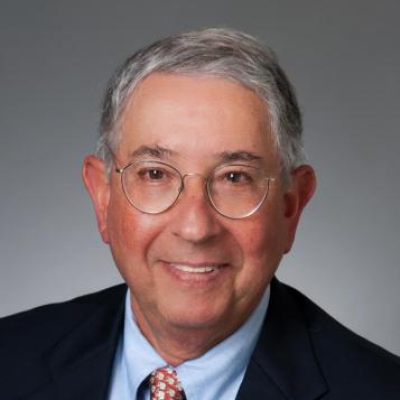
Chester E. Finn, Jr., scholar, educator and public servant, has devoted his career to improving education in the United States. At Fordham, he is now Distinguished Senior Fellow and President Emeritus. He’s also a Volker Senior Fellow at…

View Full Bio
Fordham Logo

© 2026 The Thomas B. Fordham Institute
Privacy Policy
Usage Agreement

National

P.O. Box 110
Burke, VA 22009

202.223.5452

[email protected]

Ohio

P.O. Box 82291
Columbus, OH 43202

614.223.1580

[email protected]

Sponsorship

130 West Second Street, Suite 410
Dayton, Ohio 45402

937.227.3368

[email protected]