One of the hallmarks of a high-quality career pathway is work-based learning (WBL). Defined as a coordinated sequence of experiences that provide students with hands-on education in the “real” world, WBL opportunities are sort of like putting training wheels on a bike—kids get a taste of what it’s like to work in a specific career, but they do so with extra support and under the watchful eye of someone who’s already mastered the skills.
In Ohio, WBL options include internships, apprenticeships or pre-apprenticeships, simulated work environments, and entrepreneurship. Which of these is best for an individual student depends on a variety of factors. But apprenticeships are arguably the most intriguing, as they are earn-and-learn opportunities. They offer students the chance to explore a career, develop soft and industry-specific skills, and receive mentorship from experienced professionals, all while getting paid. They often culminate in industry-recognized credentials or postsecondary credit. And they benefit employers, too; they can help build a stronger, more diverse talent pipeline, reduce employee turnover, and offer a return on investment.
Although it has a solid structure for adults, Ohio has some work to do on youth apprenticeships. Most students and families don’t even realize they’re an option. Those that do often discover that meaningful opportunities aren’t available in their region or career field. If Ohio wants to capitalize on the potential of apprenticeships, it needs to do better.
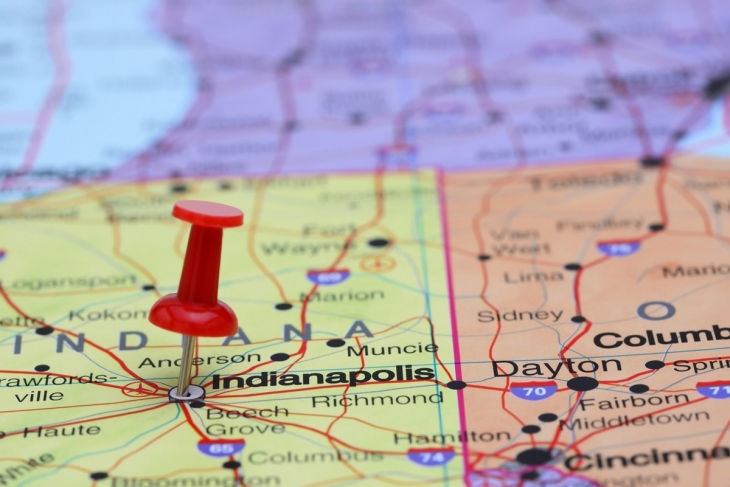
Indiana shows us how. The Hoosier State’s Modern Apprenticeship Program (MAP) connects high school juniors in central Indiana with paid, real-world work experience in high-demand industries. Because MAP aims to prepare students for “sustainable employment,” it focuses on industries that drive the local economy—advanced manufacturing, business operations, the construction trades, education, financial services, healthcare, and information technology. The program, which is year-round and occurs during and after school, is open to all students who are on-track to graduate and doesn’t require any previous experience.
Although there is no financial cost for students to participate, MAP does require a three-year time commitment. In the first year, students typically take classes at school in the morning and then work 10–16 hours a week at their apprenticeship. During the second year—a student’s senior year of high school—apprenticeship time increases to 20–24 hours a week. In their third year, once they’ve graduated from high school, students have three options:
- Attend a local college full-time and work part-time with their employer.
- Attend a local college part-time and work full-time with their employer.
- Work full-time with their employer and continue working on an industry-recognized certification or credential.
According to EmployIndy, the workforce intermediary that oversees MAP, the program recently totaled 152 apprentices across 53 employers. Approximately 91 percent of apprentices stay with their employer after completing the program. And for every $1 they invest, employers see an average return of $1.47. Participating students receive classroom and on-the-job training, mentorship, and valuable experience, all while earning money (pay starts at $13 an hour and increases incrementally) and getting a head start on college or career. Moreover, because the program focuses on employers that drive the local economy, the broader community benefits, as well.
In short, MAP is proving beneficial for everyone involved. Given its success, Ohio leaders should be eager to establish a similar program here. The good news is that going all-in on high school apprenticeships won’t require reinventing the wheel. In fact, Ohio already has a blueprint courtesy of its High School Tech internship program, which was launched by the governor’s Office of Workforce Transformation (OWT) in 2021. As part of this initiative, employers who hire high school interns in tech-related roles can be reimbursed up to 75 percent of intern wages, with a cap at $5,000 per intern. The program is administered by competitively selected regional intermediaries that are responsible for conducting outreach to businesses and educational entities as well as recruiting, interviewing, and placing interns.
Apprenticeships—especially MAP’s three-year program—are a lot more in-depth and time-intensive than Ohio’s internship program, which employs students just for a summer. In fact, that’s likely why MAP’s participation number is relatively small in comparison (152 apprentices in Indiana compared to nearly 1,000 interns in Ohio during the summer of 2024). And unlike the High School Tech internship, MAP is a regional program, not a statewide one. But both programs are run by regionally-focused intermediaries. And while they differ in how much time and effort they require from students and employers—and how much planning and support they’ll need to get off the ground—they’re both valuable investments in students and communities.
The ultimate goal of career-connected learning is to provide students with pathways that offer a combination of rigorous academics and high-quality training that leads to a stable, well-paying job. Apprenticeships are a key part of accomplishing that goal, and Indiana has provided Ohio with an excellent roadmap. Here’s hoping Ohio leaders seize the opportunity.