
Mobile Navigation

  • National
    • Policy
      • High Expectations
      • Quality Choices
      • Personalized Pathways
    • Research
    • Commentary
      • Gadfly Newsletter
      • Flypaper Blog
    • Events
    • Scholars Program
  • Ohio
    • Policy
      • Priorities
      • Media & Testimony
    • Research
    • Commentary
      • Ohio Education Gadfly Biweekly
      • Ohio Gadfly Daily
  • Charter Authorizing
    • Application
    • Sponsored Schools
    • Resources
  • About
    • Mission
    • Board
    • Staff
    • Career
Home
Home
Advancing Educational Excellence

Main Navigation

  • National
  • Ohio
  • Charter Authorizing
  • About

Ohio Menu

  • Topics
    • Accountability & Testing
    • Advanced Education
    • Career & Technical Education
    • Charter Schools
    • Curriculum & Instruction
    • ESSA
    • Evidence-Based Learning
    • Governance
    • Personalized Learning
    • Private School Choice
    • School Finance
    • Standards
    • Teachers & School Leaders
  • Research
  • Policy
  • Commentary
    • Ohio Gadfly Newsletter
    • Ohio Gadfly Blog
    • Events

Hopes, Fears, & Reality: A Balanced Look at American Charter Schools in 2011

Lisa Gibes
1.18.2012

Like the Hatfields and McCoys or the Montagues and Capulets, charter and district schools have a tradition of feuding. Districts have been known to waylay charters’ funding; charter leaders to wage legal battles against their local districts. Yet this sixth edition of Hopes, Fears & Reality (which depicts the status of the charter movement annually, with a pause in 2010) argues that a truce may be near. These nine chapters offer examples of districts and charters that have already begun to collaborate through the “portfolio management model” (PMM) of schooling—and explains how to tackle the philosophical and technical issues that stand in the way of further implementation of this new (and radically different) model of organizing districts. (In the PMM set-up, a central district office oversees a diverse portfolio of schools, instead of a group of cookie-cutter neighborhood schools; more background on PMM here and here). One chapter, for example, details how Baltimore enacted its city-wide choice program, which allows students to choose one of about thirty district or charter schools in their area. Another discusses how charters and the district came to share facilities in Denver. The authors note mutual benefits for strategic collaboration: Districts can exploit charters’ flexibility to leverage greater equity and higher student achievement; charters can partner with districts to (finally) ensure equitable funding. Portfolio districts are a fresh and intriguing prospect to be sure, but it will be some time before we see a general accord between the two disputers. Of our 14,000 or so school districts, fewer than thirty are currently experimenting with PMM. And we’re not the only one with doubts about this détente.

Robin Lake and Betheny Gross, eds., Hopes, Fears, & Reality: A Balanced Look at American Charter Schools in 2011 (Seattle, WA: Center on Reinventing Public Education, January 2012.)
Topics:
Charter Schools
Tags: Baltimore Charter Denver Seattle

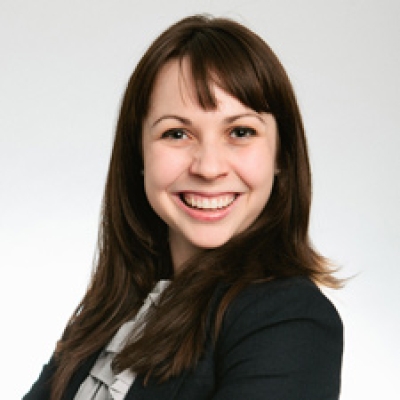
Lisa Gibes is a research intern at the Thomas B. Fordham Institute. For the past two years, Lisa has taught third grade as a Teach For America corps member in Philadelphia. Lisa hails from Detroit and graduated from Michigan State University in 2008 with degrees in Journalism and English. She received her M.S.Ed in 2011 from the University of Pennsylvania's Graduate School of Education.

View Full Bio
Fordham Logo

© 2026 The Thomas B. Fordham Institute
Privacy Policy
Usage Agreement

National

P.O. Box 110
Burke, VA 22009

202.223.5452

[email protected]

Ohio

P.O. Box 82291
Columbus, OH 43202

614.223.1580

[email protected]

Sponsorship

130 West Second Street, Suite 410
Dayton, Ohio 45402

937.227.3368

[email protected]